

A nose piercing usually takes about four to six months to heal fully when it is a standard nostril piercing. Septum piercings often settle sooner, while high nostril and other cartilage-heavy placements can take longer. Your exact timeline depends on placement, jewelry quality, aftercare, health, and whether the piercing gets bumped or snagged.
Ready for jewelry that supports a comfortable healing journey? Explore Z Edge nose jewelry made with high-quality materials.
The tricky part is that a nose piercing can look and feel calm before its inner channel is fully healed. Waiting through the entire healing period protects your progress and helps you avoid restarting the irritation cycle.
How Long Does a Nose Piercing Take to Heal by Type?
Different nose piercing placements heal on different timelines because they pass through different types and amounts of tissue. A standard nostril piercing generally needs four to six months, a septum may heal in two to three months, and a high nostril often needs six months or longer.
| Piercing type | Typical healing range | What to know |
|---|---|---|
| Standard nostril | About 4-6 months | The outside may look healed well before the inner channel is ready. |
| Septum | About 2-3 months | Proper placement in the softer tissue generally heals faster than cartilage. |
| High nostril | 6 months or longer | Placement and limited access can make cleaning and jewelry changes more involved. |
| Multiple nostril piercings | Often 4-6 months or longer | Each piercing heals independently and may react differently. |
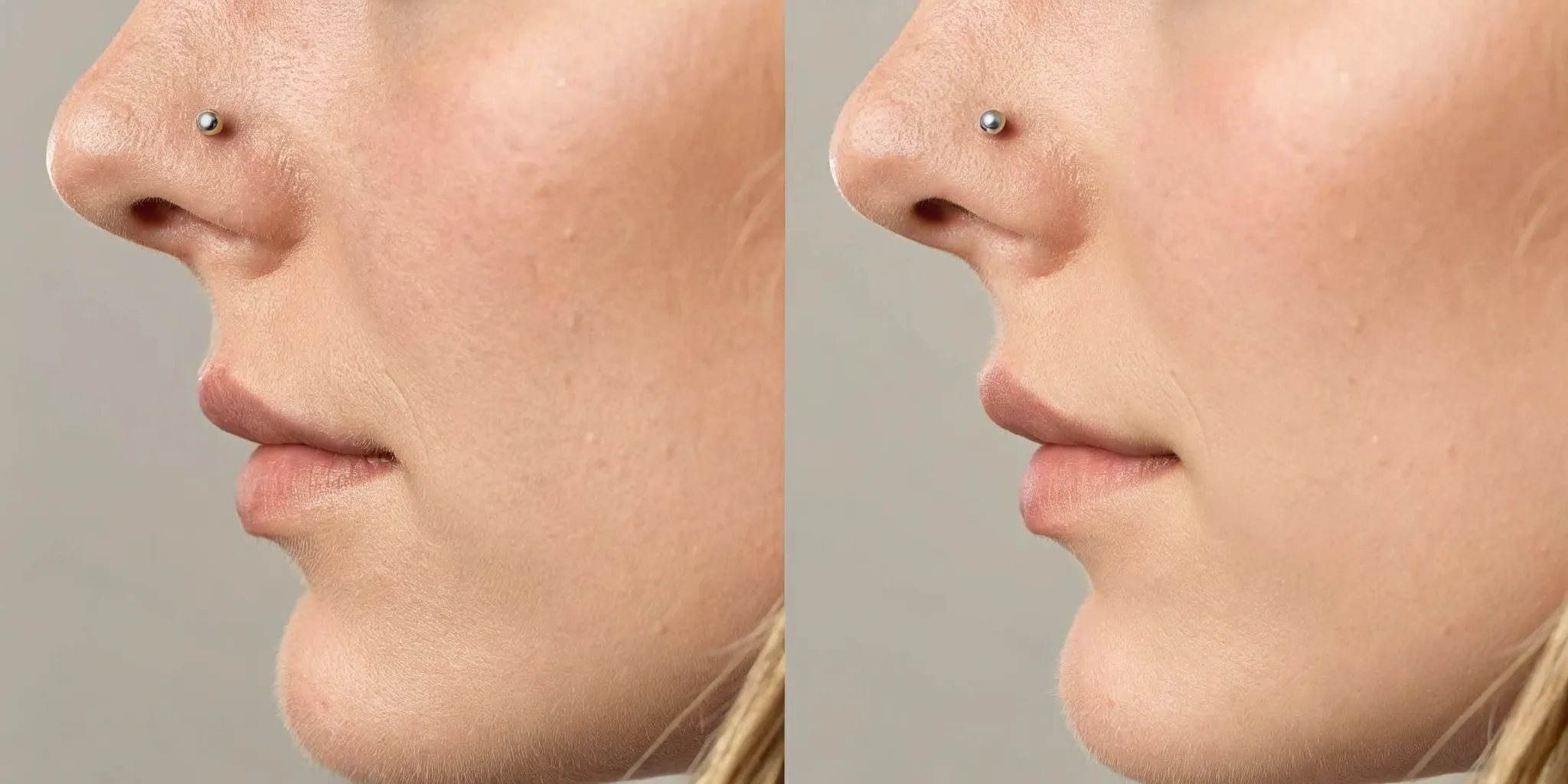
If your piercing is healing more slowly than a chart suggests, it does not automatically mean something is wrong. Look at the direction of symptoms: a piercing that gradually becomes calmer is different from one with worsening pain, heat, or swelling.
What Does a Healing Nose Piercing Look Like?
A healing nose piercing should gradually become less tender, less swollen, and less prone to crust or flare-ups. Progress is rarely perfectly linear, so one tender day after a snag does not necessarily signal a problem. The overall trend should be toward greater comfort and stability.
Early healing: the first days and weeks
Mild localized swelling, tenderness, and a small amount of pale fluid that dries into crust can occur early on. Clean hands and gentle care matter most during this stage. Avoid testing the jewelry by spinning, twisting, or pressing on it.
Middle healing: fewer symptoms, but still fragile
After the initial tenderness fades, the piercing may feel almost normal. The inner channel is still developing, however. Pressure from sleeping, a towel snag, makeup, or frequent touching can bring irritation back.
Late healing: stable inside and out
A fully healed piercing should remain comfortable, without persistent tenderness, swelling, discharge, or recurring irritation bumps. Even then, jewelry changes should be gentle and made with suitable pieces. When in doubt, ask an experienced piercer to assess it.
Why Can Nose Piercing Healing Take Longer?
Nose piercing healing can take longer when the developing channel experiences repeated movement, pressure, harsh products, an early jewelry change, or unsuitable jewelry. Several small stressors can add up, so correcting a daily habit may matter more than trying a complicated new routine.
- Snags and pressure: towels, shirts, glasses, and sleeping directly on the piercing can disturb the channel.
- Frequent touching: fingers introduce debris and movement, even when they look clean.
- Harsh products: strong cleansers and home remedies may dry or irritate the area.
- Changing jewelry too soon: removing the original piece can damage the fragile channel.
- Poor fit or material: unsuitable jewelry can create pressure, movement, or sensitivity.
- Your body and routine: general health, stress, and consistency with aftercare all affect the process.
Quality jewelry gives a fresh piercing a better starting point. Z Edge emphasizes ASTM F136 implant-grade titanium and nickel-free 14k gold, rather than inferior steel options that may introduce avoidable material concerns.
How to Help a Nose Piercing Heal
The most helpful nose piercing aftercare is simple, consistent, and gentle. Keep hands and unnecessary products away from the piercing, leave the jewelry in place, and minimize movement or pressure. Follow the specific guidance provided by your piercer, especially if your placement needs individualized care.
- Wash your hands before touching near the piercing.
- Use sterile saline as directed, then let the area dry gently.
- Leave the jewelry in place and avoid twisting or rotating it.
- Keep makeup, skincare, and hair products away from the opening while it is vulnerable.
- Use caution with towels, clothing, glasses, and pillowcases.
- Avoid unnecessary pressure and do not pick at crust.
- Check in with a qualified piercer when fit, placement, or irritation concerns arise.
For product and routine guidance, review Z Edge's piercing aftercare instructions and body piercing aftercare products.
Keep gentle aftercare supplies within reach. Browse Z Edge body piercing aftercare products.
Can You Make a Nose Piercing Heal Faster?
You cannot safely force a nose piercing to heal ahead of your body's timeline. You can, however, protect the healing process from preventable setbacks. Think of good aftercare as removing obstacles rather than speeding up tissue repair. Gentle consistency usually serves a healing piercing better than frequent changes or aggressive cleaning.
Avoid adding extra products just because the area has a tender day. Too many cleansers can dry the skin and make it harder to tell what is causing irritation. If your piercer gave you a specific routine, follow it consistently and ask before making changes. A qualified piercer can also check whether the jewelry has enough room for early swelling without moving excessively.
Daily habits matter. Change pillowcases regularly, keep phones and glasses clean, and take care when drying your face. If you exercise, sweat is not automatically a problem, but clean up gently afterward and avoid equipment that presses against the piercing. During sleep, try to keep pressure off the pierced side.
Common Healing Setbacks and What to Do
An irritated piercing often improves when you identify and stop the source of repeated stress. A recent snag, side sleeping, a tight jewelry fit, or a new skincare product may explain a flare-up. Return to gentle care and watch whether the piercing becomes calmer over the next several days.
An irritation bump appears
A bump does not automatically mean infection. Movement, angle, pressure, or harsh products can contribute to irritation bumps. Do not squeeze, pop, or cover the bump with an unverified home remedy. Ask a qualified piercer to assess placement and jewelry fit if it persists.
The jewelry keeps catching
Frequent snags can repeatedly reopen delicate tissue. Slow down when changing shirts, washing your face, and using towels. Keep loose fibers away from the jewelry. If the piece seems excessively long after early swelling has settled, ask a qualified piercer whether a professional downsize is appropriate.
The piercing suddenly feels tender again
Brief tenderness after a bump or pressure can happen even when healing was going well. Avoid touching the piercing to check it repeatedly. Monitor the overall direction of symptoms, and seek help when pain, swelling, heat, or redness continues to worsen rather than settle.
Choosing Jewelry After Healing
Once a qualified piercer confirms that the channel is fully healed, choose jewelry based on material, fit, and comfort rather than appearance alone. ASTM F136 implant-grade titanium is lightweight and well suited to many people. Nickel-free 14k gold is another premium option when you want a warmer color and elevated finish.
Fit affects day-to-day comfort. Jewelry that is too tight can press on the tissue, while a piece that is too long may catch on towels and clothing. Different nostril shapes and placements may need different post lengths or ring diameters. A professional fitting can help you avoid guessing.
Make the first change slowly and with clean hands. Stop if the channel feels painful or resistant. Forcing jewelry through can cause trauma and swelling, even when the piercing seemed ready. If reinsertion is difficult, get professional help instead of repeatedly trying at home.
After a successful change, watch the area for renewed tenderness or pressure. A little awareness can be normal, but ongoing discomfort deserves attention. Choose a piece from the Z Edge nose jewelry collection only after the piercing is ready, and ask for help if you are unsure about sizing.
When Can You Change a Nose Piercing?
You should wait until your nose piercing is fully healed before changing jewelry unless a qualified piercer recommends an earlier change for fit or another specific reason. Feeling better is not the same as being healed through the entire channel, and an early change can cause a setback.
Your first change is a good time to get professional help, especially with fitted nostril jewelry. After healing, explore Z Edge's nose jewelry collection and read the nose piercing jewelry guide before choosing a new style.
When Should You Seek Help?
Get prompt medical advice when a nose piercing develops worsening pain, heat, spreading redness, substantial swelling, fever, or thick, foul-smelling discharge. Irritation and infection are not the same thing, and an online description cannot diagnose either. Do not remove jewelry on your own if you suspect infection unless a medical professional directs you.
For persistent bumps, pressure, or jewelry-fit concerns without urgent symptoms, contact your piercer for an assessment. You can also contact Z Edge for guidance on services, jewelry, and aftercare.
Frequently Asked Questions
How do I know when my nose piercing is fully healed?
A healed nose piercing stays comfortable and calm, without ongoing tenderness, swelling, discharge, or recurring irritation. Because the inside can still be fragile when the outside looks fine, ask a qualified piercer before your first jewelry change.
Can a nose piercing heal in two weeks?
No. It may feel much better after two weeks, but the internal channel needs considerably longer to mature. A standard nostril piercing commonly needs about four to six months.
Why is my nose piercing still sore after months?
A snag, pressure, frequent movement, unsuitable jewelry, or harsh care can prolong soreness. If symptoms persist, worsen, or concern you, get the piercing assessed rather than repeatedly changing products or jewelry yourself.
Can I take my nose jewelry out while it heals?
Keep the jewelry in place throughout healing unless a qualified piercer or medical professional advises otherwise. A healing opening can tighten quickly, and removal may complicate reinsertion.
What should I avoid while a nose piercing heals?
Avoid twisting the jewelry, unnecessary touching, pressure, picking crust, harsh products, and premature jewelry changes. Be careful with anything that can catch the jewelry.
Give Your Nose Piercing Time to Heal Well
The short answer to "how long does a nose piercing take to heal?" is usually four to six months for a nostril piercing, but your placement and experience may differ. Consistent aftercare, quality jewelry, and patience are the best ways to protect the result.
Ready to plan your next step? Browse quality nose jewelry from Z Edge or contact the team with questions about piercing services and aftercare.
