

Threadless body jewelry is a two-part system that uses spring tension instead of screw threads to hold decorative tops in place. A hollow post stays in your piercing while a separate top piece with a thin, slightly bent pin slides in and creates pressure to lock the parts together. Often called push-pin or press-fit jewelry, this design uses high-quality materials like ASTM F136 implant-grade titanium to keep the post safe inside your skin. It is a favorite among piercing enthusiasts because you can swap tops in seconds without removing the base jewelry. Making it easy to update your look while enjoying a secure fit that eliminates the risk of losing tiny screws.
What Is Threadless Body Jewelry and How Does It Stay Secure?
Threadless body jewelry replaces screw threads with a spring-tension mechanism. The jewelry has two parts: a hollow post with a flat back that stays in your piercing, and a decorative top with a thin pin on its back. The pin has a slight bend. When you push it into the hollow post, the pin presses against the inner walls, creating tension that locks the top in place. No threads, no twisting, no tools required.
Traditional body jewelry uses screw threads to connect the top to the post. Threadless designs eliminate this step entirely. Many professionals call this a push-pin or press-fit system because you simply push the top into the post until it seats firmly. The threadless body jewelry collection at Z Edge Piercing offers a wide range of tops that fit standard threadless posts, giving you flexibility to change your style whenever you want.
How Spring Tension Creates a Lock
The pin on the back of a threadless top is never perfectly straight. It has a tiny intentional bend. When you slide this bent pin into the straight hollow post, the pin wants to spring back to its original shape. This spring force presses the pin against the inner wall of the post, creating enough friction to hold the top securely (Piercing Experience). This friction also prevents the top from rotating or loosening during daily activities. The result is a connection that stays tight until you intentionally pull it apart.
Why Smooth Surfaces Matter for Healing
A key safety advantage of threadless jewelry is the smooth exterior of the post. Traditional threaded posts have sharp ridges that can scratch the healing channel as jewelry goes in or out. Threadless posts have no external threads, so they glide smoothly through the tissue. This smooth profile also reduces the surface area where bacteria can hide, making cleaning easier. For new piercings still in the healing stage, this design minimizes irritation and supports faster recovery (NIH). Z Edge Piercing uses only ASTM F136 implant-grade titanium for all threadless posts, ensuring both safety and durability.
What Are the Benefits of Threadless Over Threaded Jewelry?
Threadless jewelry offers three main advantages over threaded designs: easier changes (push in or pull out with no twisting). Greater security (tension holds the top in place without risk of unscrewing), and better healing (no sharp threads to irritate the piercing channel). One post also accepts many different tops, so you can change your look without removing the base jewelry.
Choosing between threadless and threaded jewelry affects your daily experience more than you might expect. The way the parts connect influences comfort, safety, and how often you need to replace pieces.
| Feature | Threadless Jewelry | Threaded Jewelry |
|---|---|---|
| Connection type | Pin tension / push-fit | Screw threads |
| How to change | Push on or pull off | Twist to screw or unscrew |
| Security | Will not loosen on its own | Can unscrew over time |
| Surface smoothness | Smooth, no sharp edges | Threads can irritate tissue |
| Top compatibility | Many tops fit one post | Must match thread type and size |
| Long-term wear | No threads to strip or wear | Threads can strip over time |
Long-Term Durability
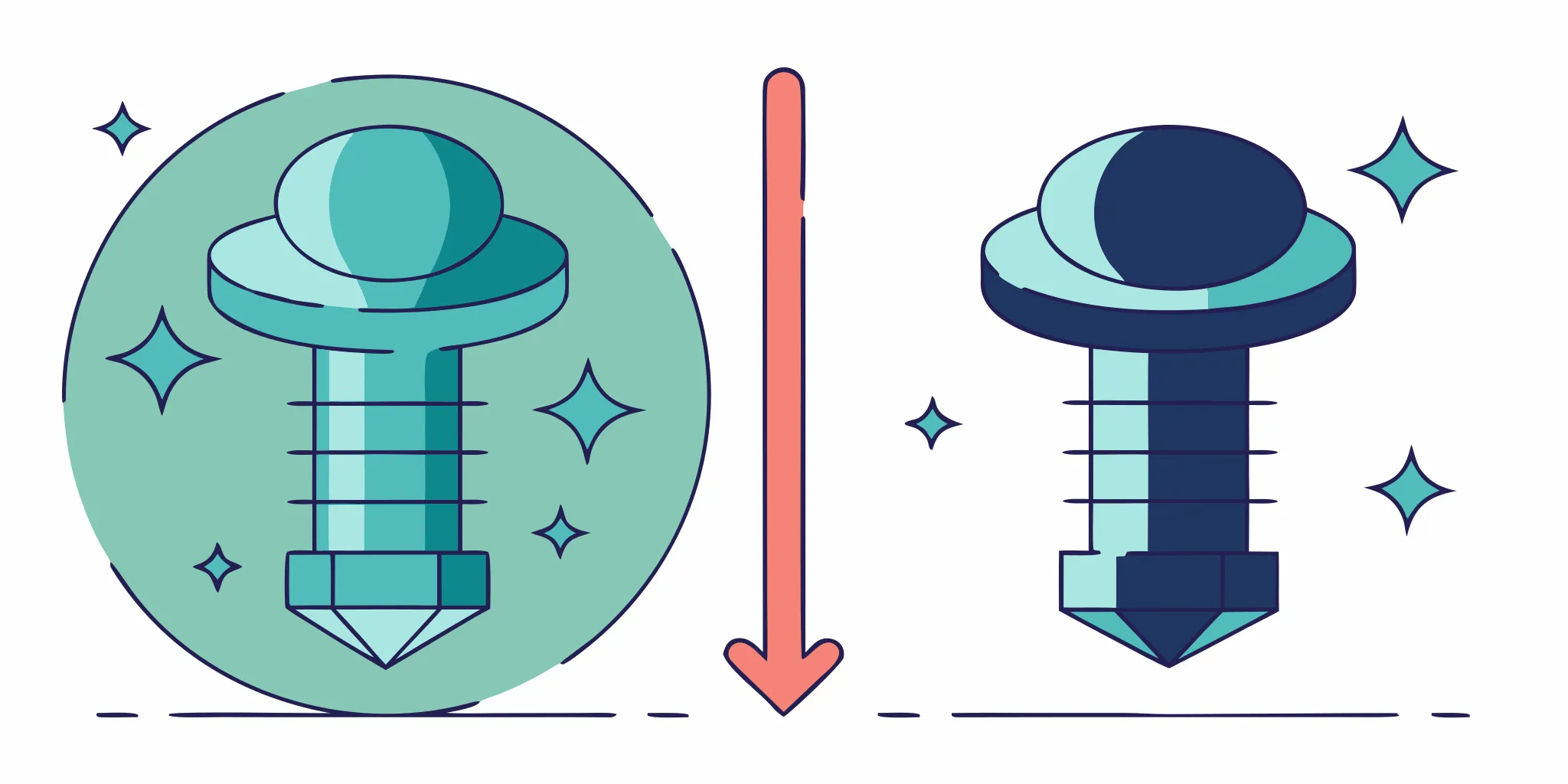
Threaded jewelry relies on tiny metal ridges that can wear down or strip after repeated use. Once the threads are damaged, the piece will not stay connected and must be replaced entirely. Threadless designs have no threads to strip, making them more durable over the long term. The tension pin also maintains its shape for years, provided it is not over-bent. This durability is one reason many piercers recommend threadless body jewelry for piercings people plan to keep long-term.
Style Flexibility Without Removing the Post
Perhaps the biggest practical benefit is the ability to swap tops without removing the post. With threaded jewelry, changing the top often means unscrewing the entire piece, which can irritate a healing piercing. With threadless jewelry, the post stays in place while you swap the top. This means you can go from a simple titanium ball to a gold gemstone end in seconds, without disturbing the piercing itself. Z Edge Piercing carries a full selection of interchangeable tops in our threadless jewelry collection.
Which Piercings Work Best With Threadless Body Jewelry?
Threadless body jewelry works well for almost any piercing, but it is especially useful in tight spaces where twisting a threaded top is difficult. Common placements include ear cartilage piercings like helix, conch, tragus, and flat piercings, as well as nostril, septum, lip, and navel piercings. The push-pin design makes changes simple in hard-to-reach spots.
Ear and Cartilage Piercings
The ear has many small curves and tight spaces. Reaching behind your ear to twist a tiny threaded ball can be frustrating, especially for a tragus or conch piercing where space is limited. Threadless posts eliminate that struggle. You simply push the top into the post from the front until it clicks. This ease of use makes threadless jewelry the top choice for flat piercing jewelry and other cartilage placements where the back of the jewelry sits close to your head.
Earlobe piercings also benefit. The smooth flat back of a threadless labret post will not poke or dig into your skin the way an old-style butterfly back can. This makes it a comfortable choice for kids getting their first ear piercings and for adults who sleep on their side. Using ASTM F136 titanium helps reduce the risk of skin reactions that cheap metals can cause (PubMed).
Facial and Oral Piercings
Nostril piercings are one of the most common placements for threadless jewelry. The small size of the nostril area makes it nearly impossible to twist a threaded top one-handed. A threadless pin slides in easily from the front and stays put. The same applies to septum piercing jewelry, where the jewelry must move freely while staying securely connected.
For lip and smiley piercings, the flat back of a threadless post sits flush against the inner lip or gum tissue. This lowers the risk of the jewelry catching on teeth or getting pulled during eating and talking. Since threadless tops do not unscrew, there is no need to check tightness throughout the day , the tension holds steady.
Body Piercings
Navel piercings, nipple piercings, and surface piercings all work well with threadless jewelry. The ability to swap decorative tops without handling the post itself is a major advantage for body piercings that can be awkward to reach. Threadless posts are also available in longer lengths to accommodate initial swelling, with shorter posts available once healing is complete.
How Do You Choose the Right Size and Fit?
Getting the right size for threadless body jewelry means matching three measurements: gauge (the thickness of the post). Length (the distance from the top to the flat back), and top size (the diameter of the decorative end). Most ear piercings use 18g or 16g posts, while navel and tongue piercings typically use 14g. Post lengths range from 6mm to 12mm depending on tissue thickness.
Choosing the correct size is essential for both comfort and safety. A well-fitted piece stays in place without pinching or snagging, while a poor fit can delay healing and cause discomfort.
Understanding Gauge Sizes
Gauge refers to the thickness of the post. In the United States, a smaller gauge number means a thicker post.
Common piercing gauges include:
- 20 gauge (0.8mm): Small lobe piercings, some nostril piercings
- 18 gauge (1.0mm): Standard earlobe, helix, and most cartilage piercings
- 16 gauge (1.2mm): Conch, industrial, navel, and nostril piercings
- 14 gauge (1.6mm): Nipple, navel, tongue, and large-gauge piercings
Most threadless posts are available in 20g, 18g, 16g, and 14g sizes. The gauge must match your piercing. Using a post that is too thin can cause the cheese-wire effect, where the jewelry cuts through tissue over time. A post that is too thick will not fit at all and can cause pain and swelling if forced.
Selecting the Right Post Length
Post length is measured from the base of the decorative top to the flat back disk. Standard lengths range from 6mm (very short, for thin tissue like earlobes) to 12mm (long, for thicker tissue or initial piercings with swelling room). When you first get pierced, your piercer will use a longer post to accommodate swelling. Once the piercing is fully healed, typically after 6 to 12 weeks for earlobes or longer for cartilage. You can switch to a shorter post for a snug fit.
A post that is too long can snag on hair, clothing, or towels, which pulls on the piercing and can cause irritation or injury. A post that is too short can embed into the skin, which is painful and requires professional removal. Always consult a piercer if you are unsure about your size. Z Edge offers expert fitting advice at all three locations in Sarasota and Venice.
Matching Top and Pin Size
The decorative top comes in diameters from 2.5mm (small gem or ball) to 8mm or larger (statement pieces). Small tops work well for nostril and helix piercings where you want a subtle look. Larger tops make a bold statement on flat ear piercings or as curated ear jewelry. The pin on the back of the top must match the gauge of your post. Most threadless pins fit 18g, 16g, or 14g posts.
The pin also needs the correct amount of bend to create tension. Too little bend and the top may fall out. Too much bend and it becomes difficult to remove. If you are unsure, a professional piercer can adjust the tension for you during your appointment.
How to Change Threadless Jewelry Tops Safely at Home
Changing threadless jewelry tops is a simple three-step process: remove the old top by pulling it straight out. Prepare the new top by checking or adjusting the pin bend, and push the new top into the post until it seats firmly. Always wash your hands first and work in a clean, well-lit area.
One of the main reasons people choose threadless body jewelry is the ease of changing tops at home. However, doing it safely requires attention to hygiene and technique.
- Wash your hands thoroughly with warm water and soap. Clean the piercing area with a saline spray to remove any debris.
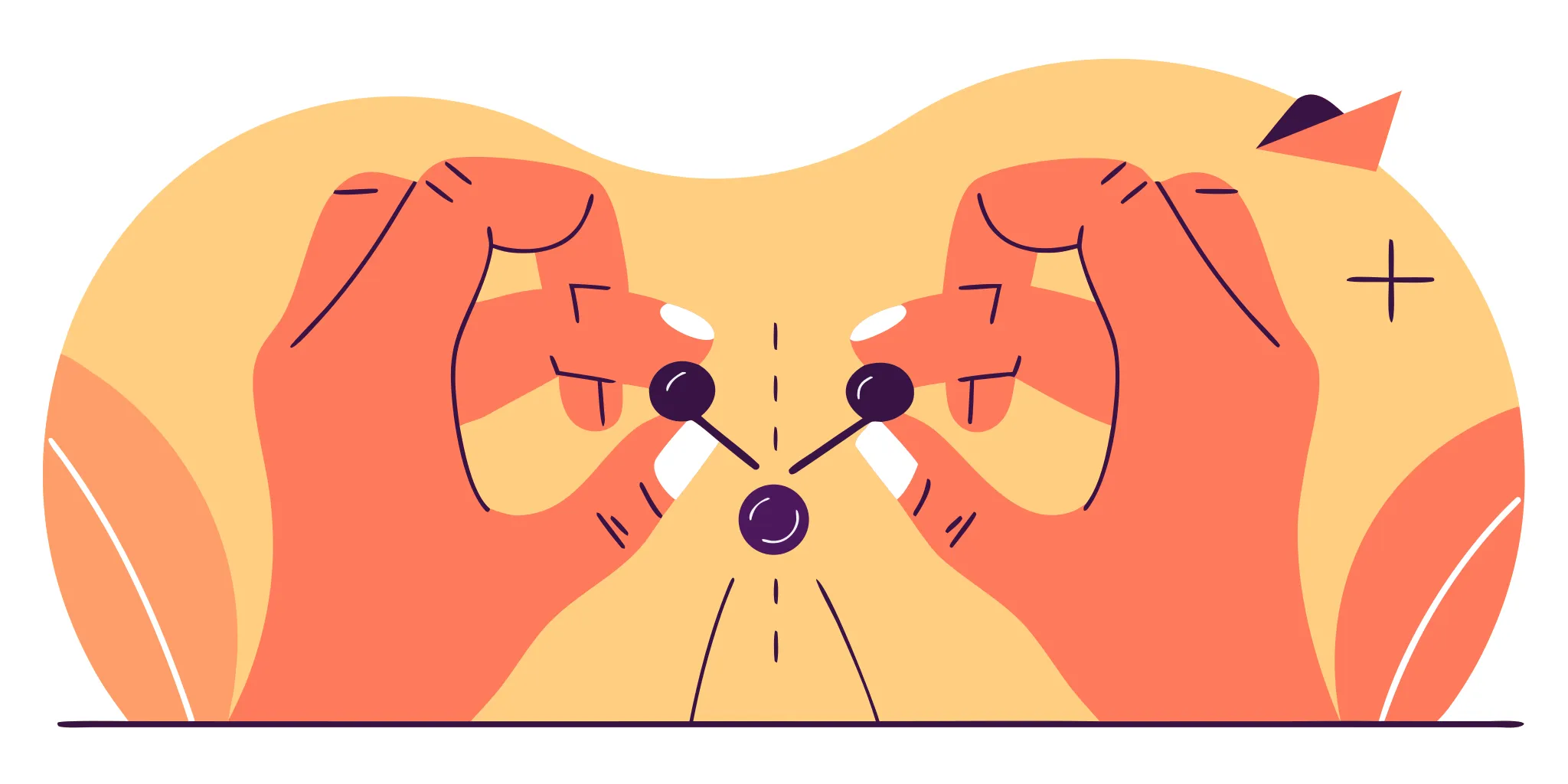
- Grip the post firmly with one hand. Use the thumb and forefinger of your other hand to grasp the top and pull it straight out. Do not twist or wiggle it.
- Clean the new top with a saline wash or an alcohol wipe and let it air dry.
- Check the pin bend. The pin should have a slight curve. If it is straight, insert it halfway into the post and gently push sideways to create a small bend.
- Line up the pin with the opening of the hollow post. Push it in until you feel resistance, then continue pushing until the top sits flush against the piercing.
- Give the top a gentle tug to confirm it is secure. If it slides out easily, the pin needs a slightly deeper bend.
When to Visit a Professional
While changing tops at home is safe for most healed piercings, there are times when you should visit a professional. If the top feels stuck, if you experience sharp pain when pulling, or if the area is still healing, let a piercer handle the change. Z Edge Piercing offers free jewelry change assistance for customers who purchase their jewelry from the shop.
Why Material Quality Matters for Threadless Body Jewelry
Material quality directly affects the safety and performance of threadless body jewelry. ASTM F136 implant-grade titanium is the gold standard. It is biocompatible, nickel-free, strong enough to maintain tension over years of use, and lightweight for comfortable daily wear. Z Edge Piercing uses only ASTM F136 titanium and nickel-free 14k gold for all threadless posts and tops.
The material of your jewelry is the most important factor in your piercing's long-term health. This is especially true for threadless jewelry because the post stays in your body continuously.
Why ASTM F136 Titanium Sets the Standard
ASTM F136 is the medical-grade specification for titanium alloy used in surgical implants, including hip replacements and bone screws. It is the same material used in medical devices that stay inside the human body for decades. This grade of titanium is almost completely inert, meaning it does not react with skin or bodily fluids. It is also nickel-free, which matters because nickel is the most common cause of metal allergy (PubMed).
Titanium also has excellent spring properties. A titanium pin will hold its bend for years, maintaining consistent tension. Cheaper metals like stainless steel are softer and can lose their spring over time. Steel may also contain nickel, which can leach into the skin. Z Edge Piercing uses only high-quality ASTM F136 titanium and nickel-free 14k gold for all body jewelry, ensuring every piece is safe for long-term wear.
What About Gold and Other Materials?
Nickel-free 14k gold is the second-best option for threadless jewelry. It offers the same biocompatibility as titanium with a different aesthetic. Many people choose gold tops for a premium look while using a titanium post for the base. Z Edge Piercing carries a curated selection of 14k gold ends that fit standard titanium posts, giving you the best of both worlds. Avoid gold-plated or gold-filled jewelry, as the base metal may contain nickel that can cause reactions once the plating wears off.
Why Steel Does Not Compare
Steel is often less expensive than titanium or gold, but it does not offer the same safety or performance. Surgical steel can still contain trace amounts of nickel, and it lacks the spring properties that make titanium so effective for threadless tension. Steel posts are more likely to lose their grip over time. For these reasons, Z Edge Piercing does not recommend steel threadless jewelry for long-term wear. ASTM F136 implant-grade titanium and nickel-free 14k gold are the only materials that meet our safety standards.
Frequently Asked Questions
Are threadless nose rings secure?
Yes, threadless nose rings are very secure. The spring-tension mechanism holds the top in place with enough force that it will not fall out during normal daily activities. The top will only come out when you intentionally pull it with moderate force. This security is a major reason threadless jewelry is recommended for nostril piercings where the jewelry must fit snugly without protruding.
Is threadless body jewelry better than threaded jewelry?
For most people, yes. The threadless push-pin mechanism is easier to use, more secure (cannot unscrew on its own). Gentler on healing tissue (no sharp threads), and more versatile (one post fits many tops). Threaded jewelry remains a good choice for some larger-gauge pieces, but threadless is the modern standard for most ear, facial, and body piercings.
How do you make threadless jewelry tighter?
To increase tension, give the pin a slightly deeper bend. Insert the pin about halfway into the post and gently push the top toward one side to increase the curve. A deeper bend creates more spring pressure inside the post, making the connection tighter. Make small adjustments , a very slight increase is usually enough. If the pin is too bent, the top becomes difficult to remove.
Can you sleep in threadless jewelry?
Yes. Threadless labret posts with flat backs are actually one of the most comfortable options for sleeping because there are no sharp edges or protrusions. The flat back sits flush against the skin and will not dig into your head or neck the way butterfly backs or rounded threaded ends can. Choose a shorter post for the most comfortable fit once your piercing is fully healed.
Can you use threadless tops on any post?
Threadless tops will only fit posts that are designed for threadless use (hollow posts with no internal threading). The pin gauge must also match the post gauge. Most threadless pins are compatible with 18g, 16g, and 14g posts. Always check the gauge before purchasing tops and posts from different brands. Z Edge Piercing tops are designed to fit standard threadless posts for broad compatibility.
Ready to shop threadless body jewelry at Z Edge Piercing?
Waiting to upgrade your piercing jewelry often means missing out on the comfort and security that modern threadless designs provide. Low-grade threaded jewelry can irritate your skin, and cheap metals may contain nickel that causes reactions over time. Making the switch to high-quality titanium or gold threadless pieces protects your piercing health and gives you the freedom to change your look whenever you want.
Ready to find your perfect threadless jewelry? Browse the Z Edge threadless collection to shop implant-grade titanium and nickel-free 14k gold tops and posts, or contact our team for fitting advice at (941) 378-0914.
