

A new ear project starts with understanding where each piercing sits and how it heals against your skin. A professional ear piercing chart maps out every option from the lobe to complex cartilage placements.
Book a professional ear piercing consultation at Z Edge.
An ear piercing chart is a key tool for naming the locations of the forty-plus types of piercings available for the outer ear. This map includes soft tissue areas like the lobule, which has no cartilage, and complex cartilage zones like the helix, tragus, and concha (NCBI). Use a chart to find the right placements for your anatomy. Choose jewelry like ASTM F136 implant-grade titanium or nickel-free 14k gold for a healthy healing process. Understanding these locations is vital because cartilage piercings have a more complex blood supply than lobes and often require more time to heal properly. Whether you are planning a simple lobe piercing or a complex curated ear, a chart ensures you make an informed choice for your body.
Choosing the right spot for your jewelry is easier when you see all the possibilities in one place. This ear piercing chart provides a clear view of where each piercing sits on your anatomy.
Ear piercing chart: placements at a glance
An ear piercing chart is a tool that shows where you can get a piercing on your ear. It helps you see the names of many spots and what they look like. Most charts show common areas like the lobe and the helix. Using a chart can help you plan your look before you visit a studio.
Soft tissue vs cartilage placements
The ear has two main parts. The first is the soft earlobe tissue, while the second is the harder cartilage that makes up the rest of the ear. The earlobe does not have cartilage. This makes it a common spot for first-timers.
It is also the best pick for professional ear piercing for children. Lobe piercings often heal faster because the area has good blood flow. Most people start with a lobe piercing before they try a cartilage piercing.
Cartilage is the bendable frame that gives the ear its shape. It has a more complex blood supply than soft tissue. This means cartilage piercings need more time and care to heal. Common cartilage spots include the upper lobe, the flat, and the conch.
Outer rim and inner ear options
The outer edge of the ear is called the helix. It is the curved rim that goes from the top of the ear down to the lobe. A helix piercing is a very common cartilage pick. You can also get a forward helix piercing. This sits on the small curve of the ear closest to your face.
Some people get two or three of these in a row for a special look. Inside the ear, you will find spots like the tragus and the conch. The tragus is the small flap of cartilage that sits over the ear canal. The conch is the large, cup-shaped part of the inner ear.
You can also look at the daith or the rook. A daith piercing goes through the innermost fold of cartilage. A rook piercing sits on the ridge above the daith. Other options include the industrial and the orbital. An industrial piercing uses a long bar to connect two spots on the helix.
An orbital piercing uses a ring to connect two holes in the same area. The snug and the flat are also great picks. The snug sits on the inner rim above the conch. The flat is the large, smooth area at the top of the ear. Each spot offers a different way to show off your style.
Choosing your setup
Every ear is different. Some people have a lot of space for a conch piercing. Others may have a narrow helix. A skilled piercer will check your ear to see what will work best. They look at the shape of your cartilage and how the skin moves.
Pain levels vary for each person. Most people find that cartilage piercings hurt more than lobe piercings. Healing can also take a year or more for some cartilage spots. You should only get a few piercings at one time. This gives your body the energy it needs to heal each hole well.
Picking jewelry is the most vital part of the process. Z Edge uses ASTM F136 implant-grade titanium and nickel-free 14k gold. Do not use cheap steel jewelry. Poor metal can lead to skin rashes or slow healing. Higher quality metals are safer for your skin. They also look better over time.
Building your ear look, or a curated ear, takes time. Plan your journey with a chart to make sure you love the final look. We suggest using only the best materials for all areas. This helps you avoid issues like infection or soreness during the long healing months.
| Feature | Lobe Piercing | Cartilage Piercing |
|---|---|---|
| Anatomy Type | Soft Tissue | Hard Cartilage |
| Healing Time | 6 to 8 weeks | 6 to 12 months |
| Pain Level | Low | Moderate to High |
| Jewelry Style | Studs or Hoops | Studs, Rings, or Bars |
| Blood Supply | High | Low |
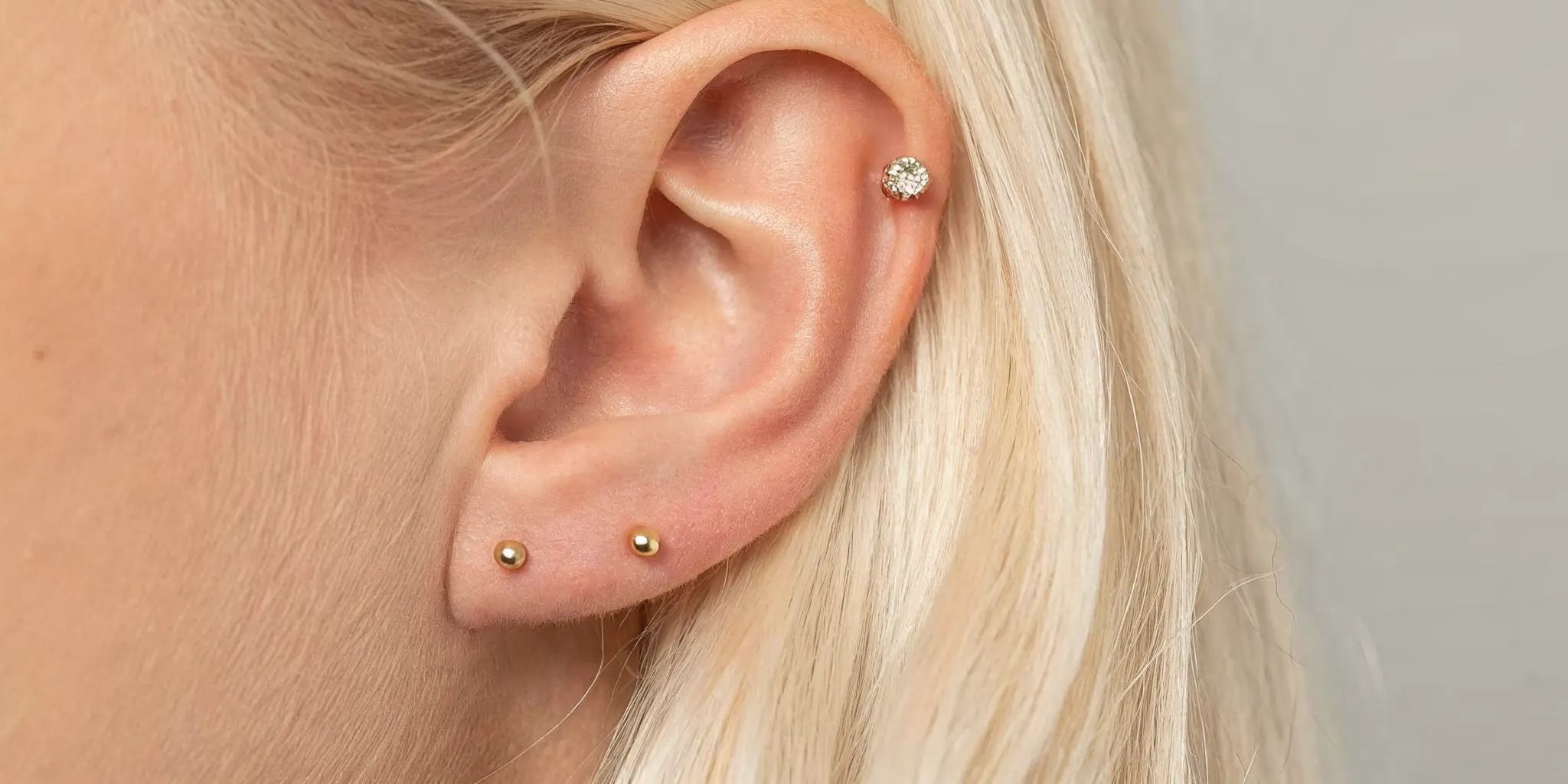
What are the main ear piercing names and locations?
Choosing your next look starts with an ear piercing chart. Your ear has many small areas for jewelry. The skin and tissue on your ear fall into two main types. The soft lower part is the lobe. The rest of the ear is made of firm, flexible tissue called elastic cartilage. An expert piercer can help you find the best spots for your ear shape. Knowing the names of these spots will help you talk to your piercer before your visit.
Each person has a unique ear shape. Some ears have large folds, while others are small and flat. This means not every person can get every type of piercing. Your piercer will check your ear to see if it can support the jewelry you want. They look for enough space and blood flow to ensure a safe result. Using the right terms for each spot makes it easier to plan your ear project.
Lobe placements
The lobe is the most common spot to pierce. It is the soft part at the bottom of the ear. Science shows the lobule is the only part of the ear that does not have cartilage. Because it is soft tissue, it often heals faster than other spots. Most people start with a single lobe piercing. Many now choose to add second or third holes to create a stack. You can also get a transverse lobe piercing, which runs through the tissue from side to side.
This area is also ideal for professional ear piercing for children because it is easy to clean and care for. Since there is no cartilage, the risk of long-term swelling is often lower. High-quality studs are the best choice for new lobe piercings. Once healed, you can switch to hoops or dangles. Many people use this area to express their own style with different gems and metals.
Outer-ear cartilage
The outer rim of your ear is called the helix. This is a common place for cartilage piercings. The helix starts at the top of your ear and goes down to where the lobe begins. You can get one hole or a row of them. Another spot is the forward helix. This is the small curve of the ear that faces your head. Flat piercings go in the large, flat area at the top of the ear. These spots allow for many styles of studs and hoops. Here are a few common outer ear spots:
- Upper helix: The top curve of the ear rim.
- Mid helix: The side part of the ear rim.
- Forward helix: The part of the rim near the face.
- Flat: The wide area between the rim and the inner ear.
The healing time for cartilage is longer than the lobe because it has less blood flow. It can take six months to a year to heal fully. You must avoid sleeping on the side of a new cartilage piercing. Pressure can cause the jewelry to shift or lead to bumps. It is vital to use high-quality titanium or gold to help the area stay healthy during the healing process.
Inner-ear cartilage
Inner-ear spots are closer to the ear canal. The tragus is the small, firm piece of skin in front of your ear opening. Just across from it is the antitragus. Higher up, the concha is the large, bowl-shaped area. It sits in the middle of the ear. The daith is the small fold of skin just above the ear canal. Other spots include the rook, which is the fold of skin above the daith. The snug is a piercing through the inner rim of cartilage above the lobe.
Many people like these spots for a subtle and modern look. These piercings often use small studs or captive bead rings. Because these areas are tucked away, they are less likely to get caught on hair or clothes. However, they can be more tender during the first few weeks. Always listen to your piercer's advice on jewelry size. A hoop that is too small can pull on the skin and cause pain. Proper care is the key to a great result in any of these inner-ear spots.
How long do ear piercings take to heal?
The time it takes for an ear piercing to heal depends on where it is. Most people use an ear piercing chart to see the many types of piercings. The earlobe is soft and has a good blood flow.
This part of the ear usually heals much faster than others. The earlobe is unique because it does not have cartilage. Because it is soft, it can mend quickly if you take good care of it.
Lobe versus cartilage healing
Cartilage piercings are different from lobe piercings. The outer rim of your ear is called the helix. This part is made of a firm but flexible tissue.
Unlike the lobe, cartilage has a complex blood supply that is much slower. This means the body takes more time to fix the area after a piercing. You must be patient if you choose a cartilage piercing. It takes more time and care to stay healthy.
Most cartilage piercings need many months to fully mend. During this time, the skin inside the hole must grow back. This creates a solid tube of skin for the jewelry to rest in.
If you change your jewelry too soon, you might hurt the new skin. This can lead to more pain or a longer wait. It is best to wait until your piercer says it is safe to swap your studs.
Factors that affect healing time
Many things can change how fast your ear heals. The metal in your jewelry is a major factor. Some metals can bother your skin and slow down the process.
At Z Edge Piercing, we only use safe, high-quality metals. These include implant-grade titanium and gold that is free of nickel. These metals work well with your body to help you heal.
Steel is inferior and can cause more issues for new piercings. Z Edge uses ASTM F136 implant-grade titanium and nickel-free 14k gold instead. Choosing the right metal is the best way to avoid these problems.
Your daily habits also play a large role in your health. You should keep the area clean and dry. Avoid touching your ears with dirty hands.
For parents, kids ear piercing requires extra care. Children may touch their new jewelry more than adults. It is important to watch them and help them stay clean.
Our team at Z-Edge has worked for over 21 years. We can show you the best ways to keep a new piercing safe and clean.
When to seek help
Most piercings heal well if you follow a good plan. However, sometimes problems can still occur. It is vital to know the signs of a skin issue.
The most common problem after a piercing is a skin infection. This is known as cellulitis. You may see redness, swelling, or feel heat near the site.
While some soreness is normal, it should not get worse as days go by. If you see these signs, you should talk to a pro. You can visit your piercer or see a doctor for help.
It is always better to catch an issue early. This keeps you from having bigger health risks later on. Our team is here to help you through the whole process.
We want your new look to be safe and to heal well without any trouble. Contact us if you have any questions about your healing path.
Ready to plan your placement? Book a professional consultation with Z Edge.
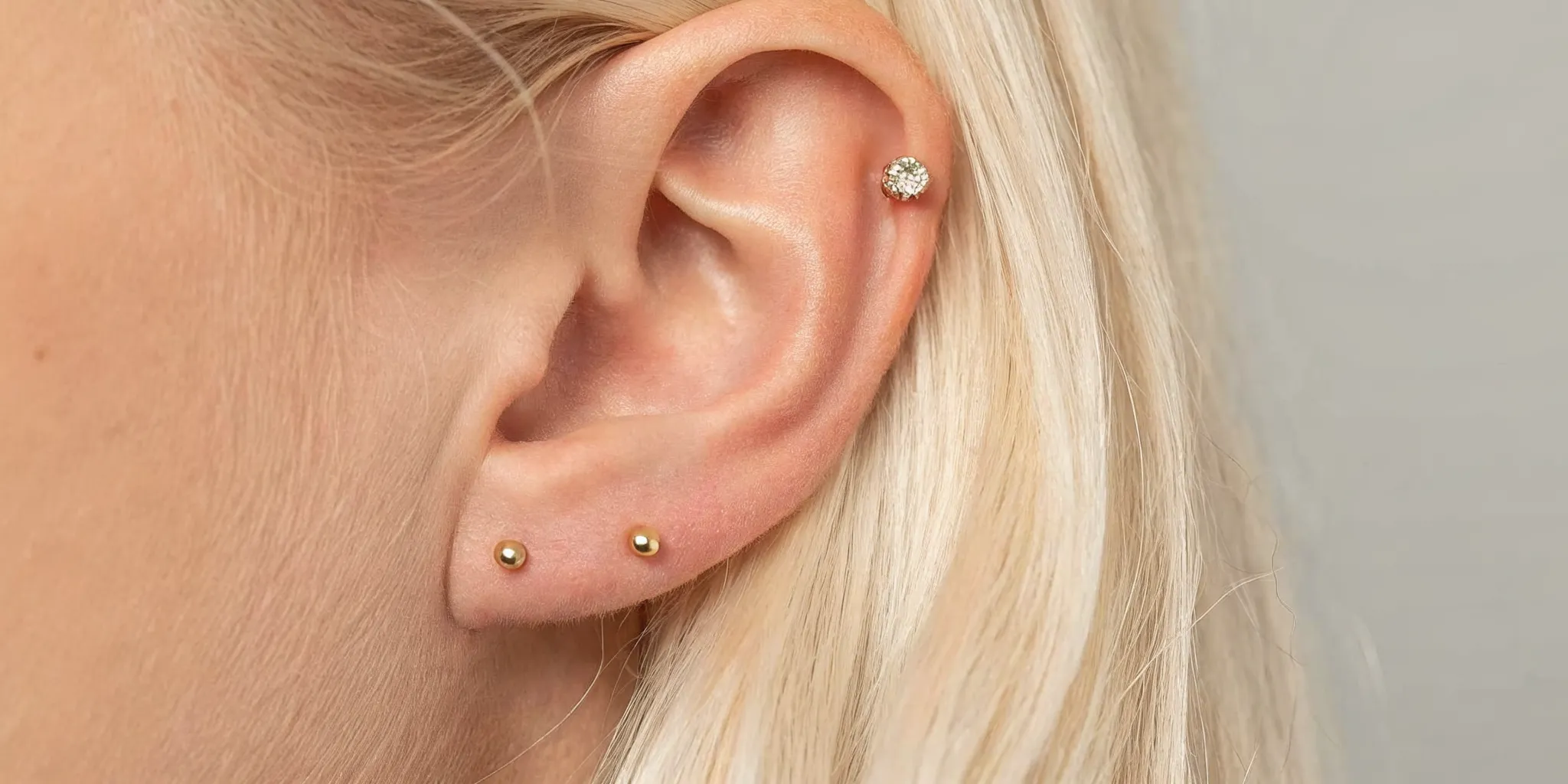
How should you care for a new ear piercing?
Taking care of your new ear piercing is the best way to help it heal. A fresh piercing is a small wound. It needs time and a clean space to close. While a lobe piercing heals fast, cartilage takes more time. This is because cartilage has a complex blood supply. Following a clear set of steps helps you avoid issues like localized cellulitis. This is a common infection seen with body piercings.
Daily cleaning steps
- Wash your hands with soap and warm water before you touch your ears. You should only touch your jewelry when you are cleaning the site.
- Use a saline spray to clean the front and back of the piercing twice each day. Do not use harsh liquids like alcohol as they can dry out the skin.
- Gently pat the area dry with a clean paper towel. Do not use cloth towels as they can catch on the jewelry and hold germs.
- Avoid moving the jewelry while the skin is dry. This can tear the new tissue and slow down the healing.
- Keep hair products and makeup away from the new piercing. These can cause skin issues or lead to an infection.
Protect your healing ear
Keep your first jewelry in place for the full healing time. Changing studs or hoops too soon can cause the hole to close. It can also lead to injury. For the best results, use safe metals like ASTM F136 titanium or 14k gold. These are better than steel, which can cause bad skin reactions. If you need professional ear piercing for children, make sure the shop uses these high-grade metals.
Do not put pressure on the ear while you sleep. Try to sleep on your back. You can also use a travel pillow to keep the ear off the bed. Steady pressure can change the angle of the piercing. It can also cause a lot of swelling. If you see signs of a big problem, like thick fluid or heat, talk to your piercer right away.
Long term care tips
Your ear still needs care after the first few weeks. Cartilage piercings can take many months to heal. Be patient and use your saline spray until the area is no longer sore. Check your ear piercing chart often to see how long your type of piercing takes to heal. A good routine now helps you enjoy your new look for a long time.
Which jewelry works for each ear piercing?
Picking the right jewelry is as vital as finding the best spot on an ear piercing chart. Each part of the ear has a unique shape and need. The outer ear parts use cartilage to keep their form. This means jewelry must fit the curve of the ear to prevent pressure. If a piece is too tight or too loose, it can cause pain or slow down the healing.
Safe metals for new piercings
The type of metal you pick is the most vital part of a safe piercing. At Z Edge, we only use metals that are safe for your skin. This helps you avoid safe, expert ear piercing issues like rashes or itchy spots. We use ASTM F136 implant-grade titanium and 14k gold that is free of nickel. These metals do not react with your body. This makes them the best choice for anyone with skin that is easy to bother.
Many cheap metals can bother your skin or cause a bad response. This is why we never use low-quality metals like steel for a fresh piercing. Steel often has nickel in it, which is a common cause of skin problems. Our gold and titanium options are made to stay in your body for a long time without a problem. High-quality metals help the skin heal well and keep the hole healthy.
Types of jewelry for ear piercings
There are many styles of jewelry to choose from once your ear is ready. Most new piercings start with a flat back stud or a straight post. These styles stay still and do not pull on the skin. Rings are a top choice for healed spots, but they can be hard on a fresh hole. They tend to move too much, which can pull germs into the skin. This movement can lead to redness and swelling that lasts for weeks.
- Flat back studs: Best for lobes and most cartilage spots because they are easy to clean.
- Captive bead rings: A great look for a healed helix or conch but not for a new piercing.
- Curved barbells: These work well for specific spots like the rook where a straight post will not fit.
- Straight barbells: Often used for an industrial piercing that connects two parts of the ear.
Sizing and an expert fit
Sizing is not just about the look; it is about your health. When you look at an ear piercing chart, you will see names like tragus, helix, and conch. Each one needs a different length of post or width of ring. If a post is too short, the skin can swell over the top. This is a common problem that needs an expert to fix. If it is too long, the jewelry will snag on your brush or towel.
It is easy to buy cute jewelry online and swap it yourself. But you should always wait for an expert to help you the first time. They have the right tools to clean the area and the jewelry. They can also check if the hole is fully healed before you change it. Our team can help you pick the best size for your specific body shape. This keeps your piercing looking great and feeling healthy for years.
What should parents know about kids' ear piercing?
Planning with an ear piercing chart
Getting a child's ears pierced is a big step for many families. It is not just about a new look. It is also a minor health event that needs care and good steps. Using a clear ear piercing chart can help you see which spots are best for a first timer. Most kids start with the lobule because it is the part of the ear with no cartilage. This soft spot often heals faster than other areas. You and your child should look at a chart together to talk about the goal. This helps them feel ready and less afraid of the tiny pinch.
A chart shows you the names of the ear parts. It helps you find a balanced spot for the first set of studs. For a child, the center of the lobe is usually the best start. This spot is easy to reach and clean. A plan made with your child builds trust and makes the day more fun.
Safety and tools for kids
When you choose a shop, look for professional ear piercing for children that uses needles. Some shops in the mall use guns to pierce ears. These guns are hard to keep clean and can crush the skin. A pro will use a single-use needle for a clean and safe hole. This method helps stop localized cellulitis, which is a common skin infection for new piercings. A clean shop with a pro is always the best choice for your child's safety.
The metal you pick is also key. You should only use metals that are safe for the body. High-grade metals give the ear the best chance to heal fast and clean. We use these materials for all new holes:
- ASTM F136 implant-grade titanium
- Nickel-free 14k gold
You should not use steel jewelry for a new piercing. Steel is not as good as titanium or gold. It often contains nickel, which can cause itchy skin or rashes. Using high-quality metals helps the ear heal without more pain or trouble.
Readiness and daily care
Is your child ready for the work of a new piercing? Kids must be old enough to follow simple rules for care. A new piercing needs to stay clean to avoid germs. You should show professionalism for minor piercings by helping them clean the area each day. They must not touch the studs with dirty hands. If they play sports, you should check the team rules. Some sports do not let kids wear jewelry during a game.
Healing times vary based on the spot you choose. The soft lobe heals much faster than the tough cartilage rim of the ear. It may take a few months for a lobe to heal fully. Cartilage piercings can take much longer, sometimes up to a full year. Make sure your child can stick to the cleaning plan for the whole time. If they are not ready to help, it might be best to wait. A safe first piercing starts with a child who is ready to take part in the care.
Ready to book your next ear piercing with Z Edge?
Waiting to get your next ear piercing means waiting longer to show off the gold or titanium look you want. Start your path with expert placement advice, high-quality jewelry, and a care plan designed to support healthy healing.
Book your ear piercing consultation with Z Edge today. You can also call 941-378-0914 to plan your visit.
Frequently Asked Questions
What is the most painful ear piercing to get?
Pain is different for each person, but most people find cartilage piercings more painful than lobes. An industrial piercing goes through two spots in the cartilage, so it can feel more intense. The daith and concha are also in thick areas that might hurt more. However, the outer ear anatomy is unique for everyone. A pro piercer uses a sharp needle to keep the pain low and help you stay calm.
What is the 2-3 rule for piercings?
The 2-3 rule is a guide for how many new piercings you should get at once. Most experts suggest no more than three new spots in one sitting. This gives your body enough energy to heal each wound well. If you get too many at once, your body may struggle to mend the tissue. This could lead to slow healing or issues like localized cellulitis, which is a common skin infection.
Where is the piercing for anxiety?
Many people ask about the daith piercing for anxiety relief. This piercing sits in the small fold of cartilage just above the ear canal. While some claim it helps with stress or headaches, there is no medical proof for this. It is best to choose this look for its style. At Z Edge, we focus on safe methods and use implant-grade titanium for all new piercings. This keeps your skin safe while you enjoy your new look.
Is it safe to get a child's ears pierced?
Yes, it is safe as long as you visit a pro shop. An expert piercer uses a clean needle to ensure the spot is perfect. This is much safer than using a piercing gun, which can hurt the tissue. It is best to use implant-grade titanium to avoid allergic reactions. For more tips, you can read our guide on expert ear piercing for children to ensure a happy healing journey.
