

Ear Piercing Infection: Normal vs. Warning Signs
Seeing yellow fluid or feeling heat near a new earring can cause quick panic. Some tenderness, light swelling, and pale crusting can be part of normal healing, but pain or redness that worsens can signal an ear piercing infection. This guide helps you compare symptoms and decide when professional care is the safest next step.
Review Z-Edge's piercing aftercare guidance before cleaning your new piercing.
An ear piercing infection often starts with signs like persistent heat, spreading redness, and thick, tinted discharge that looks like pus. While minor swelling is normal, a true infection like localized cellulitis is a common problem that needs a careful watch according to research. You can usually find a problem if the pain gets worse over time or if you notice fever, red streaks, or extreme swelling. Using high-quality materials like ASTM F136 titanium or 14k gold will help reduce these risks and keep your ears healthy during healing. Follow a consistent aftercare routine and ask a qualified professional about symptoms that concern you.
Ear piercing infection: normal healing vs. warning signs
New ear piercings go through a natural healing process. It is common to see some redness or light swelling in the first few days. This is part of your body's early response to the new piercing. Knowing how to tell normal signs from a real ear piercing infection is key to keeping your ears healthy.
What does normal healing look like?
In the first week, you might see a clear or pale yellow fluid. This fluid is called lymph. It often dries into small crusts around the studs. This is not pus and is a normal part of the path to healing.
You may also feel a slight itch or a dull ache. These feelings often fade as your body gets used to the new rings or studs. Following implant-grade titanium jewelry helps make sure these normal signs do not turn into problems.
Earlobe piercings often heal in 6 to 8 weeks. However, cartilage piercings can take much longer to fully close. Some take up to a year to heal. During this time, the area stays sore.
It is vital to keep the area dry and clean during this long window. Avoid sleeping on the new piercing, as pressure can slow down the body's work. Taking care of the area every day is the best way to avoid a gap in healing.
How to spot a piercing infection
A real infection feels unlike normal healing. You might notice the skin around the site getting dark red or purple. The swelling may spread away from the hole. If you see thick, green, or dark yellow pus, this is a warning sign.
Bacteria like Staphylococcus often cause these issues. These germs live on the skin but can enter the body through the new hole. This often happens if you touch the area with dirty hands or use a phone that is not clean.
The table below shows how to tell the two apart.
| Symptom | Normal Healing | Possible Infection |
|---|---|---|
| Redness | Light pink or red near the hole | Dark red or red streaks moving out |
| Swelling | Small amount for a few days | Large bump or swelling that gets worse |
| Fluid | Clear or pale yellow lymph | Thick, green, or foul-smelling pus |
| Pain | Dull ache or slight itch | Sharp pain, throbbing, or burning |
| Heat | Area feels slightly warm | Skin feels hot to the touch |
When to see a professional
Most minor issues clear up with good care in a few days. But some signs mean you need medical help right away. If you have a fever or chills, the infection may be spreading. Severe pain or a red ear that feels very hot are also big red flags.
These can be signs of perichondritis, which affects the ear tissue. This issue can lead to lasting damage if left alone. We always suggest choosing safe kids ear piercing from the start.
Pros use sterile needles and high-grade metals like titanium. Using poor metals like steel can lead to more skin trouble. These choices lower your risk of problems. A pro piercer can check the fit of your studs.
Sometimes a stud that is too tight can trap fluid and cause a bump. In some cases, you may just need a longer bar. If your piercing looks worse or does not get better, talk to a doctor or your piercer right away.
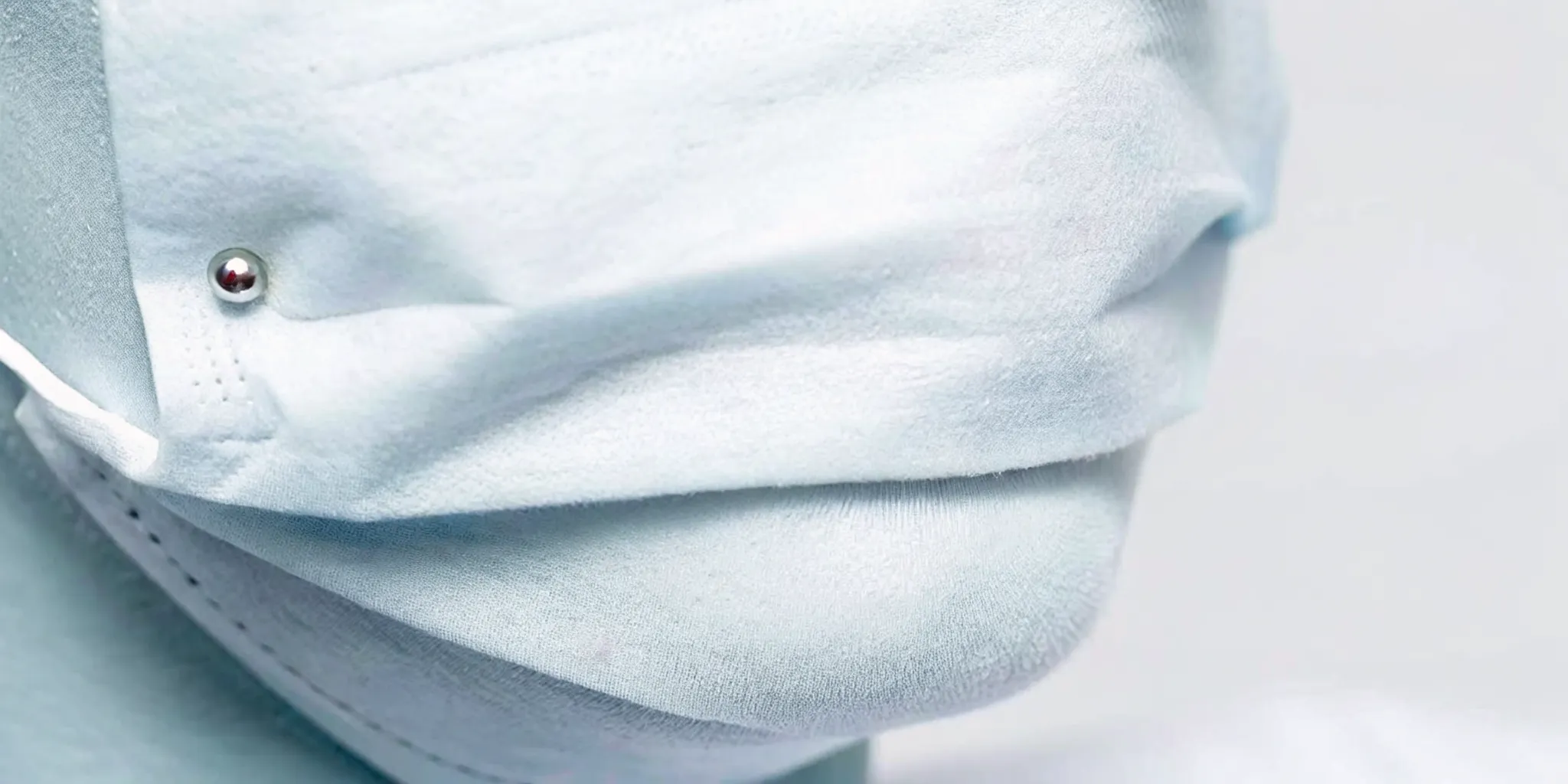
Is it an infection, irritation, or metal sensitivity?
When a new piercing looks red or feels sore, you might think you have an ear piercing infection. But many times, the issue is not a germ. It could be simple irritation or a bad reaction to the metal in your jewelry. Knowing the cause helps you take the right steps to fix it.
Common signs of irritation
Most red and sore piercings are just irritated. This happens when the skin gets bumped or moved too much. If you sleep on your side, the pressure can cause pain and swelling. Moisture is also a big problem. Leaving your ear wet after a shower can lead to a crusty, itchy area. This is not the same as a deep germ problem.
Trauma is a common cause of piercing trouble. A quick tug from a shirt or a snag on a hairbrush can tear the tiny skin cells. Touching your ears with dirty hands also brings germs to the site. Following piercing services and pricing can stop these small issues from getting worse. It is best to avoid touching your jewelry at all.
How metal choice affects healing
Your jewelry metal plays a huge role in how your ear heals. Many people have a sensitivity to nickel. Nickel is a common metal found in low-quality items like steel. Steel is often seen as a cheap option, but it is not as safe for your body as other choices. If your skin stays red and itchy for a long time, the metal might be the cause.
At Z-Edge, we use only the best metals to prevent these reactions. We suggest ASTM F136 implant-grade titanium or nickel-free 14k gold. These metals are safe for the body. This means your immune system is much less likely to react to them. Using high-quality metal is the best way to ensure a smooth path to health.
When to suspect an infection
While irritation is common, a true ear piercing infection can still happen. Localized cellulitis is a type of infection that happens when germs like staphylococcus get into the skin. This mostly causes the area to feel very hot to the touch. You might also see thick, yellow or green pus coming from the hole.
Common signs of a true infection include:
- Severe pain that gets worse each day.
- Heat and extreme redness around the hole.
- Thick, smelly discharge or pus.
- Swollen lymph nodes or a fever.
If you have these symptoms, you should seek help. Do not try to diagnose the issue yourself at home. A pro can look at the site and tell if you need a doctor. Keeping the jewelry in is mostly better than taking it out. This allows the area to drain and prevents a clog. Always talk to your piercer before you make any big changes to your care plan.
What should you do if you suspect an ear piercing infection?
Finding signs of a possible ear piercing infection can be hard. You might notice red skin, swelling, or a bit of pain near the site. While some of these signs are normal in the first few days, they can also show a problem. It is key to act fast to stop the issue from getting worse. Most small infections can be fixed at home if you catch them early, but you must use the right steps to keep your ear safe.
Quick steps for immediate care
If you think your ear is infected, you should take careful steps to care for the area. Do not panic, but do not ignore the signs either. Good care starts with keeping the spot clean and avoiding any habits that could hurt the skin more. Having a set plan can help you watch the site and give it the best place to heal.
- Wash your hands well. Before you touch your ear or the jewelry, wash your hands with soap and water. This stops new germs from getting into the piercing.
- Use a sterile saline mix. Clean the spot three times a day using a saltwater rinse. You can buy a saline spray or mix a small amount of salt with pure water to help wash out germs.
- Leave the jewelry in your ear. Unless a doctor tells you to take it out, keep your jewelry in place. If you take it out, the hole might close and trap the germs inside your skin.
- Avoid using harsh liquids. Stay away from rubbing alcohol or strong soaps. These are too harsh for a new piercing and can kill the good cells that help your skin mend.
- Keep your hair and clothes away. Try to keep your hair back and avoid hats that rub your ear. Less rubbing helps the skin stay calm and lowers the risk of more pain.
Understanding the risks and causes
It helps to know what causes these issues so you can stop them next time. Most piercing infections come from common skin germs like Staphylococcus or Streptococcus. These germs can get into the small wound if you touch it with dirty hands or use tools that are not clean. A common problem is called cellulitis, which leads to red skin and a warm feel near the site.
Cartilage piercings have a higher risk than earlobe piercings. The cartilage has less blood flow, which makes it harder for your body to fight off germs. If an infection starts there, it can lead to a bad condition called perichondritis. This often makes the ear feel very painful, swollen, and red. To avoid these risks, always choose a pro who uses needles instead of guns, as needles are much safer for your skin.
The type of metal you wear also matters. Low-grade metals like steel can cause pain and lead to problems. At Z Edge, we only use top metals like ASTM F136 titanium and nickel-free gold to support proper body piercing aftercare. These materials are safer for your body and less likely to cause a bad reaction while you heal.
When to seek professional help
While some small issues may go away in a few days, you must know when it is time to see a doctor. If you have a fever or if the redness starts to spread, you need medical help fast. These can be signs of a big infection that has moved beyond the ear. Severe pain or a lot of thick pus also mean you should call a doctor right away.
Parents should be extra careful when checking for signs of infection in children. Since kids might not always say when their ear hurts, you should check the spot every day. For more tips on keeping your child safe, visit our kids ear piercing information page. If you are ever unsure about how a piercing looks, it is best to ask a pro for a quick check. We are here to help you make sure your jewelry stays safe and looks great.
When does an ear piercing need medical attention?
Most new piercings will feel tender and look a bit red for the first few days. This is usually a normal part of the healing process as your body reacts to the new stud or ring. But it is key to know when these signs turn into a real problem. Catching a possible ear piercing infection early can help you avoid more major health issues later on.
Signs of a major infection
A mild amount of clear fluid or a small amount of crust is normal during healing. You should watch for changes in the color and feel of the skin around the site. If you see thick, yellow or green pus, this is often a sign of bacteria like Staphylococcus. Intense heat or spreading redness can also mean you have localized cellulitis, which is a common skin problem after a piercing. According to experts, this type of skin infection is the most frequent problem that occurs with body piercings.
You may also feel a deep, throbbing pain that gets worse instead of better. If the area feels very hard or you notice red streaks moving away from the hole, seek help from a doctor. These signs mean the infection might be spreading deeper into your skin. For parents, watching these signs is a key part of safe kids ear piercing care to ensure a smooth recovery for their children.
Urgent risks for cartilage piercings
Piercings in the upper part of the ear need extra care because they involve cartilage. This tissue does not have a strong blood supply, which makes it harder for the body to fight off germs. A major condition called perichondritis can occur when the tissue around the cartilage gets infected. The most common signs are a painful and swollen ear that looks very red. If not treated quickly, this can lead to lasting changes in the shape of your ear.
You should also seek health care if you have signs that affect your whole body. A fever, chills, or feeling very tired can mean the infection has entered your blood. While these issues are rare, they can lead to grave problems if you ignore them. Using high-quality items like ASTM F136 titanium or 14k gold can help lower these risks by supporting a healthy healing space.
What to do before your doctor visit
If you think you have an infection, do not remove the jewelry unless a doctor tells you to. Taking out the stud or hoop can allow the skin to close up. This may trap the infection inside and lead to an abscess, which is a painful lump filled with pus. Instead, keep the area clean and avoid touching it with dirty hands. You can keep on with your regular cleaning routine but avoid using harsh products like alcohol or peroxide.
Write down when your signs started and any changes you have noticed. This info will help your doctor find the best way to treat the issue. They may give you medicine like oral or topical antibiotics to clear the bacteria. Following a plan for expert care will help you get back to a safe and happy healing journey.
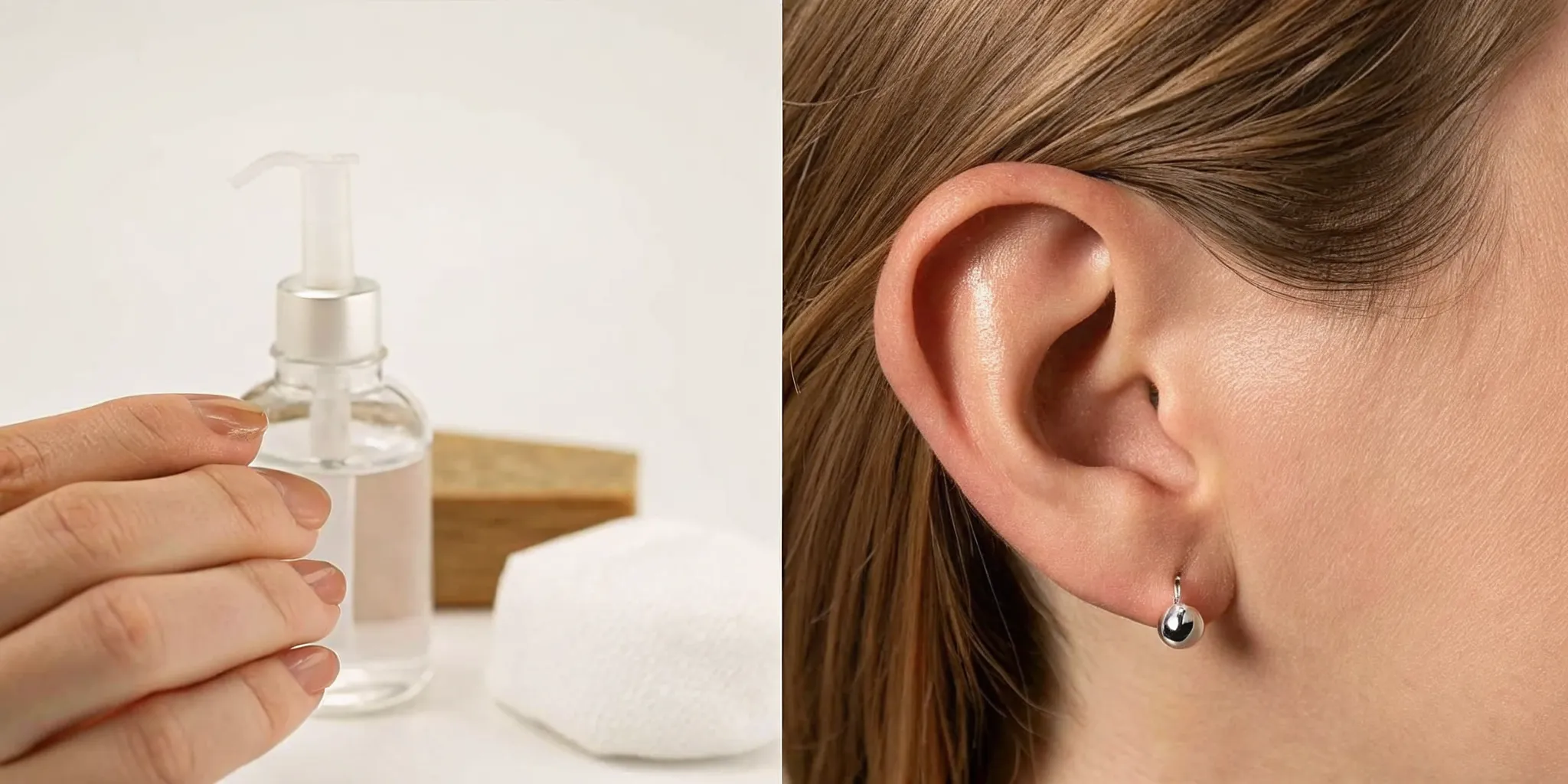
How can you reduce the risk of ear piercing infection?
Good care helps you avoid a painful ear piercing infection. Most issues start when germs enter the fresh wound. You can keep your ears safe by following a few simple steps. These rules protect your skin while it heals. If you are caring for a child's ears, follow these same steps to get safe kids ear piercing results.
Clean habits for safe healing
The most vital rule is to never touch your ears with dirty hands. Germs live on your palms and fingers all day long. If you touch your piercing, you might move bacteria into the skin. This can lead to a skin infection like local cellulitis which is a common risk. Wash your hands with soap and warm water before you do anything near your ears.
Also, try to keep hair and phones away from the area. These items carry oils, dust, and dirt that can hurt the wound. Do not twist or turn the jewelry while the skin is still raw. Moving the stud can tear the new skin and let germs in. It is best to let the jewelry stay still so the hole can form a smooth path.
Sleeping habits also matter for your safety. Try not to sleep on the side of your new piercing. The pressure can reduce blood flow to the ear and trap heat against the skin. Both of these things make it easier for an ear piercing infection to start. If you must sleep on your side, use a travel pillow with a hole in the middle. This keeps the ear from touching the fabric.
The right way to wash your piercing
You should clean the area two times each day. Use a sterile saline spray or a mix of clean water and salt. Following a proper body piercing aftercare plan helps the skin stay clean without drying it out. Spray the wash on the front and back of the ear lobe or cartilage. Do not use harsh soaps, peroxide, or rubbing alcohol. These can hurt the cells and make the healing process take longer.
After you wash the ear, dry it with great care using a clean paper towel. Do not use cloth towels from the bathroom because they can catch on the jewelry and hold onto tiny germs. Also, do not overclean your piercing. Washing too often can make the skin red and sore. If the skin gets too dry, it can crack and let in bacteria.
Avoid swimming in pools, lakes, or the ocean for a few weeks. Water in these places often has germs that cause a bad ear piercing infection. If you must get in the water, use a waterproof patch to cover the ear. Clean the piercing with saline as soon as you get out. Keeping the area dry is a key part of keeping it healthy.
Choose the best jewelry for health
The metal you wear makes a big difference in how you heal. Low-quality metals like nickel often cause skin issues that look like an infection. To stay safe, pick jewelry made of implant-grade titanium or gold. These metals are safe for your body and less likely to cause a bad reaction. Z Edge uses ASTM F136 titanium and solid 14k gold to help the skin stay calm.
Avoid cheap steel if you want the best results for your health. High-quality studs or rings keep the site from getting itchy or swollen. This reduces the chance of a serious ear piercing infection while the hole sets. A piercer should use a longer post to allow for some swelling. Good fit and good metal work together to keep your ears safe and happy.
What should parents know about a child's healing ear piercing?
Watching your child's ears heal after a new piercing can be stressful. Most kids heal quickly, but you must know what to look for each day. A small amount of redness or clear fluid is often part of the normal healing process. But, you should stay alert for any sudden changes in how the area looks or feels.
Normal healing signs
In the first few days, a new ear piercing may look slightly pink or feel a bit tender. It is common to see a small amount of thin, clear fluid that dries into a crust. This is not a sign of an ear piercing infection but a part of how the body fixes the skin. You can help your child by following proper body piercing aftercare steps like using a saline rinse.
Most minor issues clear up within a few days when you keep the area clean. For the best results, we recommend safe kids ear piercing using high-quality metals. Using ASTM F136 titanium or nickel-free 14k gold reduces the risk of skin reactions that can look like an infection.
When to spot an infection
An infection happens when bacteria like Staphylococcus or Streptococcus get into the wound. You may notice thick, yellow, or green pus coming from the hole. The ear might also feel very hot to the touch or look deeply red and swollen. While minor skin issues are common, localized cellulitis is the most frequent infectious problem seen with piercings.
Parents should also watch for signs that the infection is spreading. If your child has a fever or the redness moves away from the piercing site, they need help right away. Do not try to treat severe symptoms at home. It is best to get a professional view to ensure your child stays healthy and happy.
Protecting the healing ear
Help your child avoid touching their new jewelry with dirty hands. This is the most common way bacteria find their way to a fresh piercing. You should also ensure that no hair products or soaps get trapped in the area. Keeping a clean spot is the best way to prevent a painful, swollen, or red ear that signals a problem.
If you see signs of a more serious infection, such as high heat or severe pain, see a doctor. Prompt medical advice from a pediatric professional is vital for your child's safety. They can check if your child needs medicine to clear the bacteria and stop the spread of the infection.
Frequently Asked Questions
How can I tell if my ear piercing is infected?
Signs of an ear piercing infection include thick yellow or green pus, high heat, and sharp pain that grows worse over time. Some minor swelling and clear fluid are normal for a new piercing, but an infection often causes red streaks or deep redness that spreads. According to MedlinePlus, a red, painful, and swollen ear is the most common sign of a serious tissue infection. If you have a fever or see these signs, you should seek help.
Should I remove the jewelry if my ear piercing is infected?
You should not take out your jewelry if you think you have an infection unless a doctor tells you to. Keeping the jewelry in the hole allows pus and fluid to drain away from the wound. If you pull the jewelry out, the skin might close and trap the germs inside your ear. This can lead to a more serious skin issue or a lump called an abscess. It is best to leave the piece in and talk to your piercer or a health expert.
When should I see a doctor for an ear piercing infection?
You should see a doctor if your signs do not get better with care or if they get worse fast. Get medical help if you have a fever or if the red area spreads far from the hole. Serious infections can lead to rare but very dangerous health issues. According to the National Library of Medicine, infections that are not found and treated can lead to deep tissue damage. Always act fast if you feel very sick or have severe pain.
How long does an ear piercing infection take to heal?
Healing time depends on the cause, severity, and treatment plan. Follow your healthcare professional's instructions and use our aftercare guide for routine care. The piercing channel itself may take much longer to heal, especially in cartilage. Seek follow-up care if symptoms do not improve or become worse.
Ready to set up an expert piercing checkup?
Leaving a piercing that looks red or sore for too long can lead to extra pain. It may also mean your ear takes much more time to heal or causes you stress. When you catch a small issue early, you stop it from turning into a big health risk. Our team can help you check your ear and make sure you are using the proper care steps. Starting now will help you get back to a safe and happy path. You do not have to guess about what is normal when a pro eye can give you a clear answer right away. Waiting too long might lead to a bad mark or a scar that stays. Taking a few minutes to talk to an expert now saves you weeks of worry later.
Ready to get help? Call 941-378-0914 to talk to Z Edge Piercing about high-quality piercing jewelry and aftercare.
