

Standard ear piercing names help you explain exactly what look you want when you visit an expert studio. Using the right terms ensures that your piercer understands your goals before the needle ever touches your skin.
Explore ear piercing options and plan your placement with Z Edge Piercing.
Standard ear piercing names group the many placements for your ears, from the soft lobe to firm cartilage like the helix. These terms let clients and experts discuss ear parts with clear goals for a safe jewelry fit. According to the National Institutes of Health, ear piercing involves making a hole in the lobe or cartilage to hold jewelry. Common names include the helix on the outer rim, the tragus on the flap, and the conch in the inner bowl. For new clients, learning these names is vital for planning a curated ear. By using standard names, you can choose between lobe sets or cartilage work like the daith or rook with confidence.
Ear piercing names by location
Learning the correct ear piercing names is the first step toward your next look. Most people start with the earlobe because it is soft and heals fast. But the ear is also made of firm elastic cartilage that offers many other spots for jewelry. Each spot has a unique name based on its place on the ear structure.
Common lobe and outer rim spots
The lobe is the most popular choice for kids ear piercing and first-time clients. You can have a single hole or a row of them, often called upper lobe piercings. Just above the lobe, the rim of the ear begins to curve. This outer edge is the helix, which is a top choice for those moving into cartilage work.
The helix runs from the top of your ear down toward the lobe. If you get a piercing on the inner rim near your face, it is called a forward helix. For those who want a bold look, an industrial piercing uses a single bar to connect two holes on the upper helix. Another flat area of the upper rim is simply called the flat, which is great for showing off large studs.
Inner ear and center spots
The center of your ear has a bowl-shaped area called the conch. You can pierce the inner part with a stud or the outer part with a large ring. Near the ear canal, there is a small flap of cartilage called the tragus. This is a very common spot for a small gem. The anti-tragus is the small bump of cartilage right across from it, just above the lobe.
Further inside the ear, you will find several folds of cartilage with specific ear piercing types and names. The rook is the high fold on the inner ear, while the daith is the small fold just above the ear canal. The snug sits on the inner rim about halfway up the ear. Knowing these names helps you talk to your piercer and find the best fit for your ear shape.
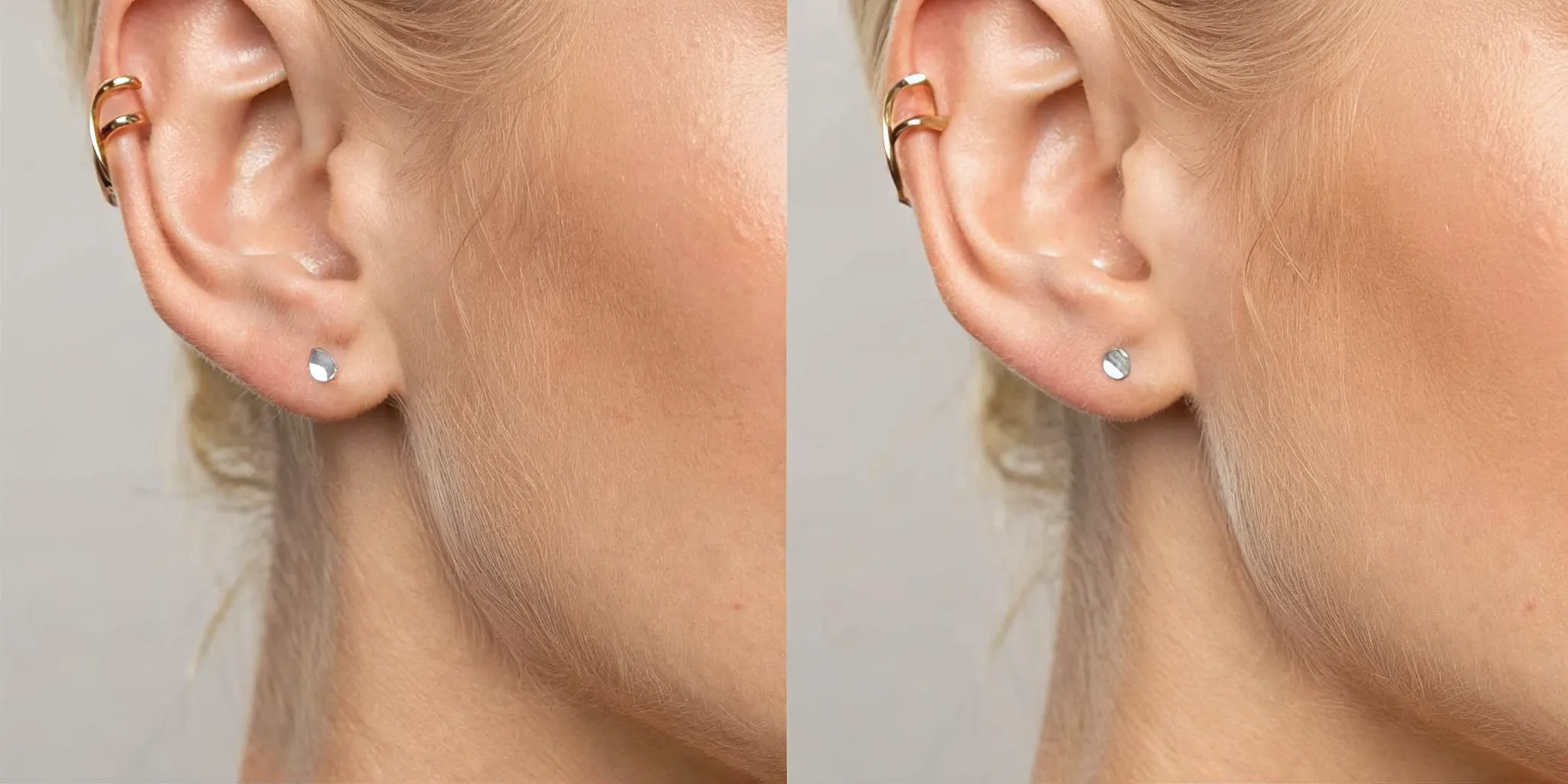
How do lobe and cartilage piercings differ?
Ear piercings are a great way to show your style. When you look at other ear piercing types, you will find two main groups. These are lobe piercings and cartilage piercings. While they both hold jewelry, they differ in how they heal and feel. Your choice depends on your ear shape and how much care you can give to the new spot.
Soft tissue versus firm cartilage
The lobe is the soft, fleshy part at the bottom of the ear. It consists of skin and fat. This area is very soft and easy to pierce. In contrast, the rest of your outer ear is made of firm tissue called cartilage. This elastic cartilage gives the ear its shape. It is much stiffer than the lobe and acts as a frame for the ear.
Many ear piercing names refer to specific spots on this firm tissue. For example, the helix is the curved outer rim. The tragus is the small flap that covers your ear canal. Because this tissue is stiff, the piercing process feels different. A pro will check your ear shape to find the best spots for you. They will ensure the jewelry fits your unique anatomy.
Blood supply and healing times
The biggest change between these two areas is blood flow. Your earlobe has a large supply of blood. This helps the tissue heal fast after a piercing. Cartilage is avascular, which means it lacks a direct blood supply. It gets what it needs from the skin and tissue near it. This lack of blood makes cartilage piercings heal much more slowly than lobe piercings.
Slow healing also means a higher risk of health issues like infection. Without blood to carry cells to the site, the body struggles to fight germs. This is why clean habits and proper care are so vital. You must keep the area clean and avoid touching it with dirty hands. Using top-grade metals also helps prevent issues during the long healing phase. This keeps the new hole safe while the body works to mend the tissue.
Choosing the right placement
Choosing between a lobe or cartilage spot depends on your goals. Lobe piercings are often the first choice for many. They are a top pick for kids ear piercing because they are simple and heal fast. If you want a more complex look, you might look at cartilage spots. A studio can offer many types of work based on your ear shape. They can help you create a custom look with many piercings.
Always talk to an expert before you decide. A pro will look at your ear and suggest the best spot. They will also make sure the work is safe and clean. Using safe metals like titanium or 14k gold is a must. These metals reduce the risk of your body reacting poorly to the jewelry. Avoid cheap metals like steel, as they are not as good for fresh holes. High-grade items ensure your new look stays safe and bright for years.
| Feature | Earlobe Piercing | Cartilage Piercing |
|---|---|---|
| Tissue Type | Soft skin and fat | Firm elastic cartilage |
| Blood Supply | High blood flow | No direct blood flow |
| Healing Speed | Heals fast | Heals slowly |
| Infection Risk | Low risk | Higher risk |
| Pain Level | Lower discomfort | Higher discomfort |
Which ear piercing combinations work well together?
Planning your ear curation starts with looking at how different ear piercing types fit your ear shape. A great look balances the natural space of your ear with the jewelry you choose. Most people begin with lobe piercings. They then add cartilage work to build a full look. Since ear anatomy varies, a pro piercer helps find the best spots for each new piece.
Classic lobe and helix pairs
The lobe and helix are the most common spots for a first set. You might start with a double lobe piercing. This places two holes side by side in the soft tissue. This setup allows for simple studs or small hoops. Adding a helix piercing on the outer rim of the ear creates a look that draws the eye upward.
For a fresh feel, many people choose a stacked lobe. This method puts one piercing right above another in the lobe area. It is a smart way to use the space if you have large lobes. Pairing this with a flat piercing on the wide part of the cartilage adds more detail. Each spot needs room to heal. Cartilage heals slowly because it has a low blood supply.
Styling around the conch
The conch is the bowl-shaped part of the inner ear. It often serves as the center for a styled ear look. A single stud in the conch looks clean. You can also use a large hoop once the area is fully healed. This piercing works well when paired with a tragus or a forward helix to frame the inner ear shape.
If you want a bold look, think about an industrial piercing. This style connects two holes with one long bar. It spans the upper ear and makes a strong point. You can balance the weight of an industrial bar by keeping the lower lobe jewelry light and simple. This prevents the ear from looking too busy or heavy in one spot.
Balancing with inner ear spots
Inner ear piercings like the daith or rook add depth to your style. The daith sits in the small fold of cartilage right above the ear canal. It looks best when paired with outer helix piercings. This creates a full circle of jewelry around the ear. A rook piercing sits higher up on the ridge of cartilage and pairs well with a conch design.
When you pick your jewelry, always choose high-quality items. Z Edge uses implant-grade titanium and 14k gold to help your piercings stay healthy. These metals are nickel-free. This helps prevent skin issues during the long healing time. Proper hygiene and aftercare are also key to keeping your look its best for years.
How to match jewelry with each piercing name
Selecting the right jewelry is as vital as picking the spot on your ear. Each of the many ear piercing names corresponds to a unique part of your anatomy. Because cartilage lacks the strong blood flow of skin, it can heal slowly and needs high-quality metals to stay healthy. Using the wrong jewelry style or low-grade materials like steel can lead to irritation or long-term issues.
Jewelry for lobe and helix spots
The lobe is the soft tissue at the bottom of your ear. It is the most common spot for a first kids ear piercing due to its easy healing. Most people start with simple studs or small hoops. For the helix, which is the curved outer rim of your ear, flat-back studs are best for new piercings. Once healed, you can switch to seamless rings or clickers to follow the curve of the ear.
Studs and bars for inner cartilage
Inner ear spots like the tragus and conch need specific jewelry shapes. The tragus is the small flap of cartilage that covers your ear canal. It usually needs a small flat-back stud to stay comfortable against the head. The conch, or the large bowl of the ear, can hold a stud or a large hoop. For a flat piercing, we use a single stud on the broad area of the upper ear cartilage.
Unique jewelry for complex placements
Some placements need specialized jewelry to fit the fold of the ear. A daith piercing sits in the fold just above the canal and uses a captive bead ring or a clicker. The rook is the ridge in the upper ear and needs a curved barbell to sit right. For an industrial piercing, a single long barbell connects two separate holes in the upper cartilage. In every case, we use only nickel-free 14k gold or ASTM F136 titanium to ensure your safety.
How to choose your first ear piercing
Picking your first ear hole is a fun step. Most people start with the lobe because it is soft and heals fast. But you have many other options for ear piercing types that look great. You should think about your daily habits and your own style before you decide. A good choice will help you stay happy with your new look for a long time.
Check your daily habits
Your lifestyle plays a big role in your choice. If you play sports, you might need to take your jewelry out often. This can be hard for a new hole that is still healing. Some jobs also have rules about what you can wear. Think about how much time you can give to cleaning your ear each day. Cartilage spots often take longer to heal than lobes do.
For younger fans, kids ear piercing is a common way to start. Parents should look for a clean shop that uses needles instead of guns. This helps the ear heal better and keeps the child safe. Make sure you pick a spot that will not get bumped while playing or sleeping. Comfort is key when you are first starting out.
Look at your ear shape
Every person has a unique ear shape. Some spots may be too small or too thin for certain ear piercing names like the industrial. A pro artist will check your ear to see what works best. They look at the folds of skin and the hardness of the cartilage. This helps them find a place where the jewelry will sit right and feel good.
- Select your spot. Start with the lobe if you want less pain. Pick a cartilage spot like the helix for a modern look.
- Think about healing time. Lobes usually heal in six to eight weeks. Cartilage spots can take six months to a full year to heal.
- Choose your metal. Use safe metals to avoid skin rash. ASTM F136 titanium is a top choice for a first hole.
- Set a budget. Safe jewelry and expert work cost more than mall shops. Good jewelry stays in your ear for a long time without turning green.
- Talk to a pro. Visit a shop to ask about their tools and safety steps. A good artist will help you feel calm and ready.
Pick the right jewelry metal
The metal in your ear is key. Many cheap studs use steel or nickel. These can cause red, itchy skin for some people. At Z Edge, we use only ASTM F136 implant-grade titanium and 14k gold. These metals are safe for your body and help you heal without many problems. Avoid steel since it is a low-grade metal for fresh holes.
Safe gold is also a great pick for a first hole. It should be nickel-free to keep your skin calm. When you pick your first piece, look for a style you will like for months. You cannot change the jewelry right away while the hole is fresh. Picking a timeless stud or a small hoop ensures you always look your best.
What should first-time clients expect?
Your first visit to a pro studio should feel safe and clear. An expert will help you through each step. This keeps you calm and helps you get the look you want. Whether you want a simple lobe piercing or a complex ear style, the team will focus on your health and comfort. You should feel free to talk about your goals and ask questions at any time.
The studio talk
A pro visit starts with a talk about the look you want. Your artist will look at your ear shape. They will see which ear piercing types work best for you. This step is vital because every ear is unique. Some spots need a certain ear shape to heal well. The artist will explain the different ear piercing names and where they sit on your ear.
During this time, you will also pick your jewelry. The best studios use only ASTM F136 implant-grade titanium and 14k gold. These metals are safe for your body. They do not have nickel, which can cause skin redness. You should avoid shops that use steel. Steel is often a lower grade and can slow down your healing. Picking the right metal is the first step to a healthy piercing.
Preparing for your visit
You can do a few things to make your visit go well. First, eat a good meal a few hours before you go. This helps keep your blood sugar steady. It keeps you from feeling faint or dizzy. You should also bring a valid ID. Most shops need this to record your age and consent for the work. If you are under age, you will need a parent or adult to come with you.
If you are nervous, do not be afraid to ask questions. You might ask how the tools are cleaned. You can also ask about the skill of the artist. At Z Edge, the owner has a certificate in infection control. This keeps the shop as clean as a medical office. Knowing about piercing care and terminology before you start can help you feel at ease. A pro artist will always be happy to explain their safety steps.
The piercing process
The piercing itself is a quick process that follows strict safety rules. First, the artist will clean the skin on your ear with a special soap. Ear piercing involves creating a hole in the lobe or cartilage to hold your new jewelry. The artist will then mark the spot with a small dot. They will ask you to check the spot in a mirror to make sure you love the placement.
Once you like the mark, the artist will use a sterile needle to make the piercing. Best shops do not use piercing guns. Needles are more precise and cause less stress to the ear. This leads to less swelling and a better healing path. After the jewelry is in, you will get tips on how to keep the area clean. Focus on hygiene and aftercare to stop infection and help your ear heal fast. Your artist will show you how to clean the spot without causing any harm.
Frequently Asked Questions
What are the different types of ear piercings?
There are more than 40 kinds of ear piercings that pros can do. These range from simple lobe holes to spots like the rook, daith, and conch. According to Z Edge Piercing, each spot has a name based on where it sits on your ear. You can pick one hole or mix many spots to create a look that fits your own style. Our team helps you find the best names and spots for your ear shape.
What is an orbital piercing?
An orbital piercing is a style that uses one piece of jewelry to link two holes in your ear. Many people get this on the soft lobe, but you can also put it in the firm cartilage. According to the NCBI, this look usually uses a single ring to join the two spots. It is a bold way to update your ear map. This style works best with high-grade rings made from safe, nickel-free metals.
What is a flat piercing?
A flat piercing sits on the large, smooth part of your ear cartilage. This area is between the outer rim and the inner fold of the ear. It is a great spot to show off studs with big gems or cool shapes. Based on facts from the National Institutes of Health, this area is a top pick for a modern look. It heals well with a flat-back stud. Always use safe titanium for these holes to keep your skin healthy.
How is an earlobe piercing different from a cartilage piercing?
The main difference is the type of tissue the needle goes through. A lobe piercing goes through soft skin at the bottom of the ear. A cartilage hole goes through the firm tissue that gives your ear its shape. According to health experts, cartilage heals slower because it has less blood flow than the lobe. You must take extra care of cartilage spots. They also need high-grade jewelry to heal without any big problems.
Ready to book your piercing consultation?
Picking an ear look is a big step for a new client. If you do not act soon, you might miss your spot with a pro. Waiting too long can lead to stress or picking a shop that does not use the best tools. You should not risk your health with low-grade metal that can cause harm or a bad look. By setting your plan today, you put your health first with a pro who uses top-grade metal. You will get the exact look you want without the fear of a bad result. Our team helps you pick the right spot for your ear and the best jewelry for your style, like kids ear piercing. We make the whole path easy and safe for you and your family. Do not wait to get the safe, high-end look you have been dreaming about. Acting now keeps your health safe and helps you get your new style soon.
Ready to book? Call 941-378-0914 to book your piercing consultation.
