

Forward Helix Piercing: Placement, Pain, Healing & Jewelry
A tiny stud on the forward curve of your upper ear needs precise placement on thin cartilage. At Z Edge Piercing, we focus on safe, beautiful ear piercing designs using implant-grade metals.
Book a safe cartilage piercing consultation at Z Edge Piercing in Sarasota or Venice today.
A forward helix piercing is an advanced cartilage ear modification that sits on the delicate forward-facing outer rim of your upper ear. This unique placement takes several months to heal and requires high-quality, implant-grade ASTM F136 titanium or nickel-free 14K gold jewelry to prevent irritation. Because cartilage has lower blood flow than lobes, clinical studies show that using non-sterile tools or untrained piercers significantly raises your risk of cartilage infection. Our professional studio placement ensures perfect entry angles, while consistent aftercare cleaning with sterile saline spray keeps the healing area clean and calm. Avoiding tight headphones, keeping hair clear, and sleeping on a travel pillow will also prevent painful irritation bumps during the healing process.
Before you schedule your appointment, you likely want to understand what to expect from this unique ear project. To help you plan your new style, we will look at What Is a Forward Helix Piercing? so you can get the best results. The path begins with
What Is a Forward Helix Piercing?
A forward helix piercing is a stylish way to accent your upper ear. Unlike a standard helix on the outer back curve, this piercing goes through the forward-facing rim. This spot sits right above the tragus and the inner curve of your ear fold. This makes it a great choice for any ear project.
Anatomy and placement
The forward helix piercing sits on the front portion of your helix rim. This small, curved fold of cartilage faces forward. Because of this unique spot, forward helix piercings are advanced ear piercings that need expert placement to heal well.
Ear shapes vary from person to person. Expert piercers ensure the angle of the forward helix piercing is best for your ear. This advanced placement often needs precise angle shifts to prevent tissue pressure and ensure the jewelry sits flat.
Role in curated ear stacks
This placement is a popular choice for people who want to build a custom look. In recent years, this area has become a key spot for those who design curated ear stacks. The forward helix adds visual balance to the front of the ear, filling a space that often stays empty. You can stack two or three in a row to create a unique look.
These options make it easy to pair with other ear piercing types like lobes, conches, or outer helixes. This spot works best with small flatback studs. You can also use tiny, snug hoops once the area is fully healed. These options let you mix and match your styles over time.
Cartilage characteristics and safety
Before you get this piercing, you should understand the tissue involved. Because a forward helix piercing is a form of cartilage modification, it takes longer to heal than fleshier tissues like your earlobe. Cartilage has lower blood flow, which means your body must work harder to repair the path. This means you must commit to long-term care.
Professional studios always focus on clinical safety rules for these procedures. They use sterile tools and clean needles to prevent issues. Choosing an expert who knows how to handle delicate cartilage is the best way to avoid irritation. This clean setup makes the entire process much safer for you.
How Much Does a Forward Helix Piercing Hurt?
A forward helix piercing hurts a bit more than a lobe piercing, but most people rate it as very manageable. Expect a sharp, quick pinch during the piercing itself. That intense sensation usually passes within a few seconds once the jewelry is in place.
The piercing moment
The needle moves through firm cartilage, and that tends to sting more than soft lobe tissue. The forward helix area has plenty of nerve endings, so the pinch is noticeable. Still, the actual piercing is brief, and most clients describe it as a short, focused pressure followed by a throb.
Why cartilage feels different
Cartilage has less blood flow than the lobe, so it heals slower and tends to stay tender longer (from PMC/NCBI research on ear piercing complications). Because the healing tissue is sore for weeks, many people say the recovery is more uncomfortable than the piercing itself. A dull ache and sensitivity to touch are common in the first few days.
How a skilled piercer changes the pain
Precise placement and clean, sharp equipment reduce both pain and risk. A forward helix done by an unqualified person carries a much higher chance of problems like perichondritis, an infection of the ear cartilage (from the same PMC/NCBI report). An experienced piercer places the jewelry at the correct angle, so you feel less trauma and heal more smoothly.
Using ASTM F136 implant-grade titanium or nickel-free 14K gold from the start also matters. High-quality metal sits inert in the body and irritates less than lower-grade options, which keeps the sore area calmer while it heals.
How long the tenderness lasts
The sharp pain fades quickly, but mild tenderness can last a few days. Expect the forward helix to stay sensitive for several months as the cartilage slowly builds stable tissue. That ongoing soreness is normal and not a sign that something is wrong.
A Realistic Forward Helix Piercing Healing Timeline and Aftercare Routine
The Cartilage Healing Process
Unlike a soft earlobe, your forward helix is made of thick cartilage. This tissue has a low supply of blood. Because of this lower vascularity, cartilage heals slower than a lobe. You must commit to a routine for several months, as full healing often takes up to a year.
A standard helix piercing healing process is slow. The forward helix is even trickier because it sits in a tight, folded spot. This fold can trap dirt and sweat fast, allowing bacteria to grow. This is why you need to be very patient.
Your Daily Aftercare Routine
A proper piercing aftercare routine keeps the tissue clean and helps avoid bumps. Clean your ear twice every day with sterile saline spray. Avoid harsh soaps, alcohol, or peroxide, as these products dry out the skin. Instead, stick to pure saline to support your body's natural healing.
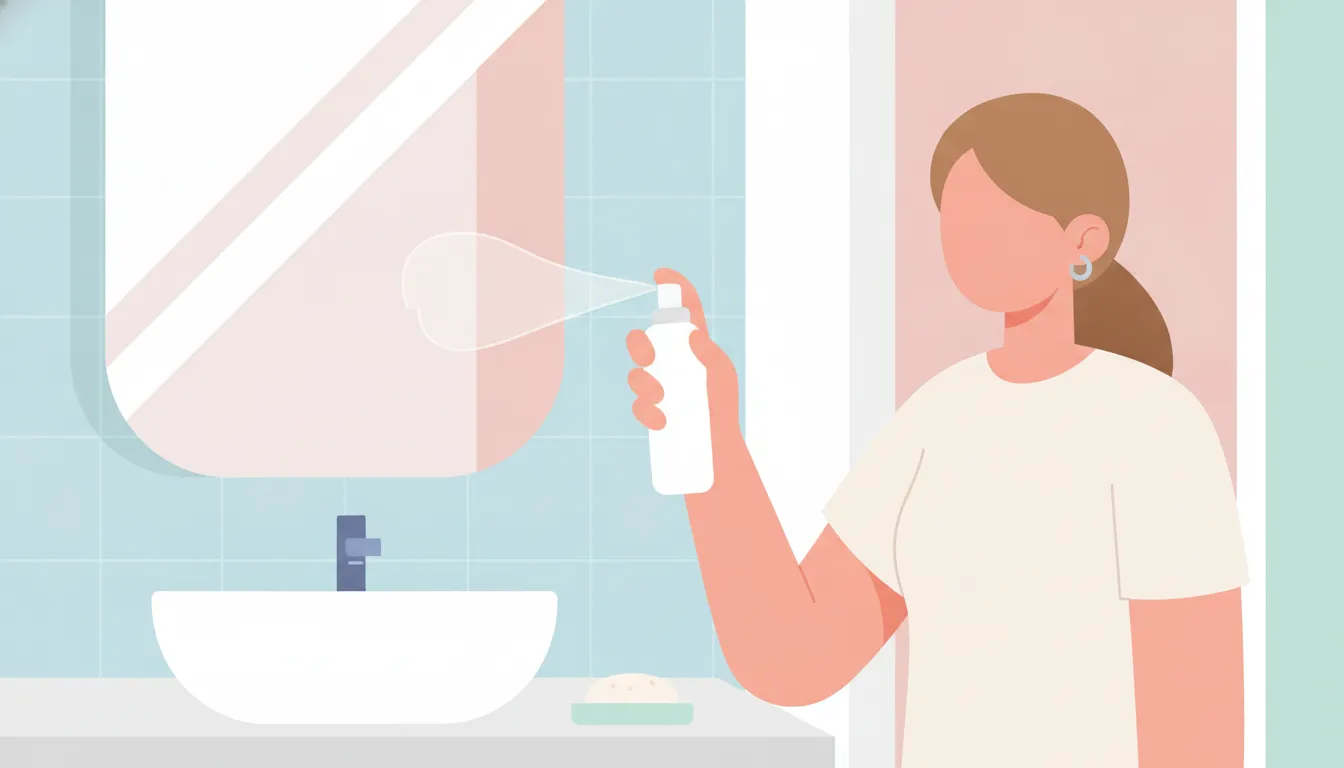
- Spray the area. Mist both sides of the piercing with sterile saline spray twice a day. This will flush away crust, sweat, and dirt without touching the wound.
- Dry it gently. Pat the spot dry with a clean paper towel. Do not use cloth towels, as they can harbor germs or snag on the metal.
- Leave it alone. Avoid twisting, turning, or sliding the jewelry. Any movement will tear the tender new cells that are trying to heal.
- Protect the ear. Keep hair, phones, and face masks away from the spot. These items can pull on the jewelry and bring in harmful germs.
Dealing with Swelling and Bumps
Even months after you get pierced, your cartilage can still flare up. It is common to see sudden swelling or redness if the jewelry is bumped or pulled. Cartilage is prone to these quick shifts. If you notice a small bump, do not squeeze it, as it is usually just an irritation bump.
You must avoid sleeping on the side of your new piercing. Laying on it presses the metal against your head, which can shift the angle for good. To sleep safely, you can use a travel pillow. Place your ear in the center hole so nothing rubs against the area.
You also need correct jewelry sizing. A professional piercer will downsize your post once the first swelling goes down, which often happens after six to eight weeks. Keeping a post that is too long will let the metal slide. When jewelry slides, it rubs the wound and causes bumps to form.
Finally, keep hairspray, soap, and headphones away from your ear. A stable, quiet space is what cartilage needs to heal for the long term. If you stay patient and follow these rules, your forward helix will look great and stay healthy.
What Is the Best Jewelry for a Forward Helix Piercing?
When you get a forward helix piercing, your choice of jewelry affects how well your ear heals. The upper ear rim has tight space and curves, so you need the right style and metal from the start. Choosing high-grade metals helps you avoid pain and keeps your new piercing safe. At Z Edge, we use only high-grade titanium and gold body jewelry for our clients.
Choosing Safe Metals
The metal you put in your ear must be safe and inert. We use ASTM F136 implant-grade titanium as our default standard. This metal is very pure and does not react with your body. It is the best choice to prevent skin issues and help your cartilage heal.
Nickel-free 14K gold is another safe and beautiful choice for a new piercing. High-grade gold is safe for your skin and will not upset your tissue. In contrast, you should never use steel for a new forward helix piercing. Steel contains high levels of nickel that can trigger a bad skin allergy or severe redness.
Ear cartilage has low blood flow, which makes it slow to heal and prone to illness. This slower cartilage healing makes your choice of metal even more vital. Research shows that poor metal choices can lead to severe infections, as noted in clinical studies on ear piercings.
Flatback Studs vs Small Hoops
The shape of your jewelry also plays a huge role in your comfort. For a new forward helix piercing, flat-back studs are the best option. A flat-back stud fits flush against the skin of your ear. This tight fit keeps the jewelry from moving and reduces the risk of snagging on your hair or clothing.
Small hoops are a popular style, but you should not wear them during the healing phase. Hoops can twist and slide through the fresh wound, which brings dirt and germs into the ear. They also catch on things much more easily than studs. You can switch to a small hoop once your cartilage has fully healed.
Jewelry Comparison at a Glance
Use this quick guide to compare the best jewelry options for your ear cartilage.
| Jewelry Option | Fit & Healing | Snag Risk | Comfort & Safety |
|---|---|---|---|
| Flatback Stud (ASTM F136 Titanium / 14K Gold) | Promotes stable healing by keeping the post static. | Very low due to the flush, secure flat backing. | High comfort. Remains inert to prevent redness. |
| Small Hoop (ASTM F136 Titanium / 14K Gold) | Only for healed piercings. Can delay early healing. | Moderate risk. Curved rings can catch on hair easily. | Easy to wear once healed, but early movement hurts. |
| Steel Jewelry (Lower-Grade Stainless/Surgical Steel) | Slows healing due to nickel release in delicate tissue. | Varies by style, but metal grade is unsafe for healing. | Low comfort. High risk of nickel allergy and skin redness. |
Risks and Signs of Infection to Watch For
A forward helix piercing adds a clean look to your ear, but cartilage needs careful attention. Because cartilage has lower vascularity than your lobe, it heals slowly and is more prone to germs. Keeping a daily piercing aftercare routine helps protect the delicate skin on your upper ear rim.
Symptoms of a cartilage infection
Choosing a professional piercer is the best way to prevent severe cartilage issues. When you get a piercing from an untrained worker, you face a higher risk of ear perichondritis. This serious infection of the cartilage often stems from non-sterile tools and poor hygiene. In fact, a study in a medical report on ear safety warns that non-sterile materials often lead to perichondritis and cellulitis.
You must know how to spot the early signs of this illness. Perichondritis causes redness of the outer ear, high fever, and intense pain. A common germ called Pseudomonas aeruginosa is the most frequent cause of this painful condition. If a local abscess forms and you leave it untreated, it can cause tissue death and a permanent deformity known as cauliflower ear.
Preventing infection at the studio
Prevention starts long before you sit in the piercing chair. A professional piercing studio follows strict clinical safety rules to protect your ear. Every step must involve fully sterile tools and a clean space to keep harmful germs away. Using non-sterile tools or working in a dusty room will increase your risk of severe ear problems.
The jewelry you choose also plays a major role in keeping your new cartilage piercing safe. You should never start a forward helix piercing with basic steel jewelry. Steel often contains nickel, which causes swelling and opens your skin to germs. Instead, always choose ASTM F136 implant-grade titanium or nickel-free 14K gold. These high-grade metals stay inert in your body and do not cause allergies while you heal.
Professional medical treatment
Do not try to treat a deep ear infection on your own at home. If you notice signs of a cartilage infection, you must seek professional care right away. Trying to handle an abscess without medical help can lead to major cartilage loss. Safe healing needs clean tools, proper draining, and exact tests to choose the right antibiotic.
If you feel intense heat, see spreading redness, or notice a bad smell, do not wait. Cartilage lacks a direct blood supply, so it cannot fight off germs as fast as other body tissues. Clean your ear gently with sterile saline, but do not touch or twist the post. Your best next step is to visit your studio or a doctor for a professional check.
Frequently Asked Questions
How much does a forward helix piercing hurt?
On a standard pain scale, most people rate a forward helix piercing around a four or five out of ten. Because this is a cartilage piercing, it hurts more than a soft earlobe piercing. You will feel a quick, sharp pinch during the process. An academic study on PMC shows that ear cartilage has low vascularity. This low blood flow makes the area heal slower and stay sore for several days.
How long does a forward helix piercing take to heal?
A forward helix piercing usually takes between six to twelve months to heal completely. Ear cartilage heals much slower than skin or earlobe tissue. You must follow a strict cleaning routine during this time to prevent issues. For detailed steps on care stages, you can read the Z Edge guide on the helix piercing healing timeline. Consistent care helps keep your new piercing safe and healthy.
What is the best jewelry for a forward helix piercing?
The best initial jewelry is a flat-back labret stud. This shape limits snagging on your hair or clothes. At Z Edge, we use only high-quality ASTM F136 implant-grade titanium and nickel-free 14K gold. Avoid cheap steel jewelry, which contains nickel and often causes swelling or allergic reactions. Titanium and gold stay inert and safe in your body, which helps your cartilage heal without issues.
Can I sleep on a new forward helix piercing?
No, you should not sleep on a new forward helix piercing. Putting pressure on the ear can bend the jewelry, change the angle of the hole, and cause painful swelling. To protect your ear, sleep on your back or use a travel pillow with a hole in the middle. For more tips on protecting your cartilage, view the Z Edge piercing aftercare routine.
Ready to schedule your forward helix piercing?
A bad ear piercing can lead to painful swelling, long healing delays, or a severe cartilage infection. If you do not get expert care, a minor issue can quickly turn into a major health risk that ruins your ear shape. Our local team is here to help you avoid these costly and painful mistakes. Starting your piercing journey with expert care today ensures a safe, smooth healing process from the very start. Our clean studios on the Florida Gulf Coast use only safe, implant-grade titanium and gold to keep you safe and comfortable.
Ready to get your new look? Book a forward helix piercing consultation with our expert team in Sarasota or Venice today.
