

Frenulum Piercing: Healing, Jewelry, and Care Guide
By Lindsey
A frenulum piercing, also called a frenum piercing, is an adult genital piercing placed through tissue on the underside of the penis. If you are researching one, the most useful first step is understanding the placement, the anatomy check, the jewelry fit, and the care routine before you book. This guide explains what a consultation covers, how to think about healing and activity changes, and what to look for in quality jewelry without promising a particular result or timeline.
Contact Z Edge Piercing to discuss your frenulum piercing appointment.
Key Takeaways
- Placement is anatomy-dependent: A frenum piercing passes through tissue on the underside of the penile shaft, but not every anatomy can support the same placement, jewelry style, or number of piercings.
- A consultation is part of the service: The piercer should discuss placement, jewelry, sizing, aftercare, activity changes, and realistic expectations before proceeding.
- Fit matters as much as material: Z Edge uses ASTM F136 implant-grade titanium and nickel-free 14k gold options. The length, diameter, gauge, and shape still need to suit your anatomy.
- Healing is not a deadline: Tenderness can improve before the piercing channel is fully settled. Keep following aftercare and do not change jewelry based only on how the outside looks.
- Privacy and clear communication matter: An adult genital piercing appointment should be handled professionally, with consent, boundaries, and time for questions.
What Is a Frenulum Piercing?
The term frenulum piercing can describe more than one body area. In this guide, it refers to a genital frenum piercing, not an oral smiley or tongue-web piercing. A genital frenum piercing is generally placed horizontally through a pinchable band of tissue on the underside of the penile shaft, often below the glans. The exact location depends on the tissue available and the result you want.
The word frenum refers to a fold or band of tissue that helps connect or stabilize nearby anatomy. Because bodies vary, a placement that works for one person may not be suitable for another. A skilled piercer assesses the tissue in person rather than relying on a diagram, a jewelry size found online, or a photograph taken at home.
Frenum, frenulum, and smiley piercing terms
Search results sometimes use frenulum piercing for an oral piercing. A smiley piercing passes through the thin tissue joining the inside of the upper lip to the upper gum, while a genital frenum piercing is on the underside of the penis. These are different placements with different jewelry, aftercare, and considerations. If you meant an oral frenulum piercing, this guide is not the right fit for that procedure.
Some people also use terms such as frenum ladder or Jacob's ladder for multiple frenum piercings arranged along the underside of the shaft. A single frenum piercing is a separate, more focused placement. The number and arrangement of piercings should be decided from your anatomy and a careful plan, not from a template.
What Does a Frenulum Piercing Consultation Cover?
A consultation gives you and the piercer a chance to define the placement before any procedure begins. You can discuss the look you want, your prior piercing experience, the tissue available, the jewelry shape, and practical questions about healing. You should also have an opportunity to ask how the studio handles privacy, consent, sterilization, and aftercare instructions.
The anatomy review is especially important for a genital piercing. The piercer can evaluate whether the tissue is thick and stable enough for the planned placement, whether the jewelry would sit comfortably, and whether a different position or style would make more sense. A professional may recommend a different option or decline the placement when the anatomy cannot support it. That is a safety decision, not a failed appointment.
What happens during the appointment?
Once the placement and jewelry plan are clear, the area is prepared and marked. You should be able to review the mark and ask questions before the piercing begins. The piercing itself is brief, but the consultation and preparation deserve enough time to make the process deliberate rather than rushed.
After the jewelry is inserted, the piercer should explain how to clean the area, what early swelling or tenderness may look like, which activities to pause, and how to recognize a concern. Before leaving, confirm the jewelry material and measurements, the recommended follow-up plan, and what to do if the fit changes as swelling settles.
Privacy and communication are part of a professional experience. You should never feel pressured to continue because the appointment has started. Consent must remain clear throughout the process, and you can pause to ask for an explanation or stop before the piercing is performed.
How Painful Is a Frenulum Piercing?
Pain is personal, so no article can assign you a reliable number. The location is sensitive, and the sensation may include a brief sharp pinch followed by warmth, tenderness, or pressure. Anxiety, tissue thickness, placement, and the speed and technique of the piercer can all affect how the experience feels.
Good preparation usually makes the appointment easier to navigate. Eat a normal meal beforehand if that suits your health needs, arrive clean and rested, and wear clothing that gives the area room without creating extra friction. Avoid arriving intoxicated or impaired. You need to be able to give informed consent and communicate clearly throughout the service.
It is also useful to plan for the first few days instead of focusing only on the needle. The area may be more sensitive than usual, and clothing, sleep, movement, and sexual activity may need temporary adjustments. Knowing that in advance lets you make a practical decision about timing.
How Do You Choose Jewelry for a Frenulum Piercing?
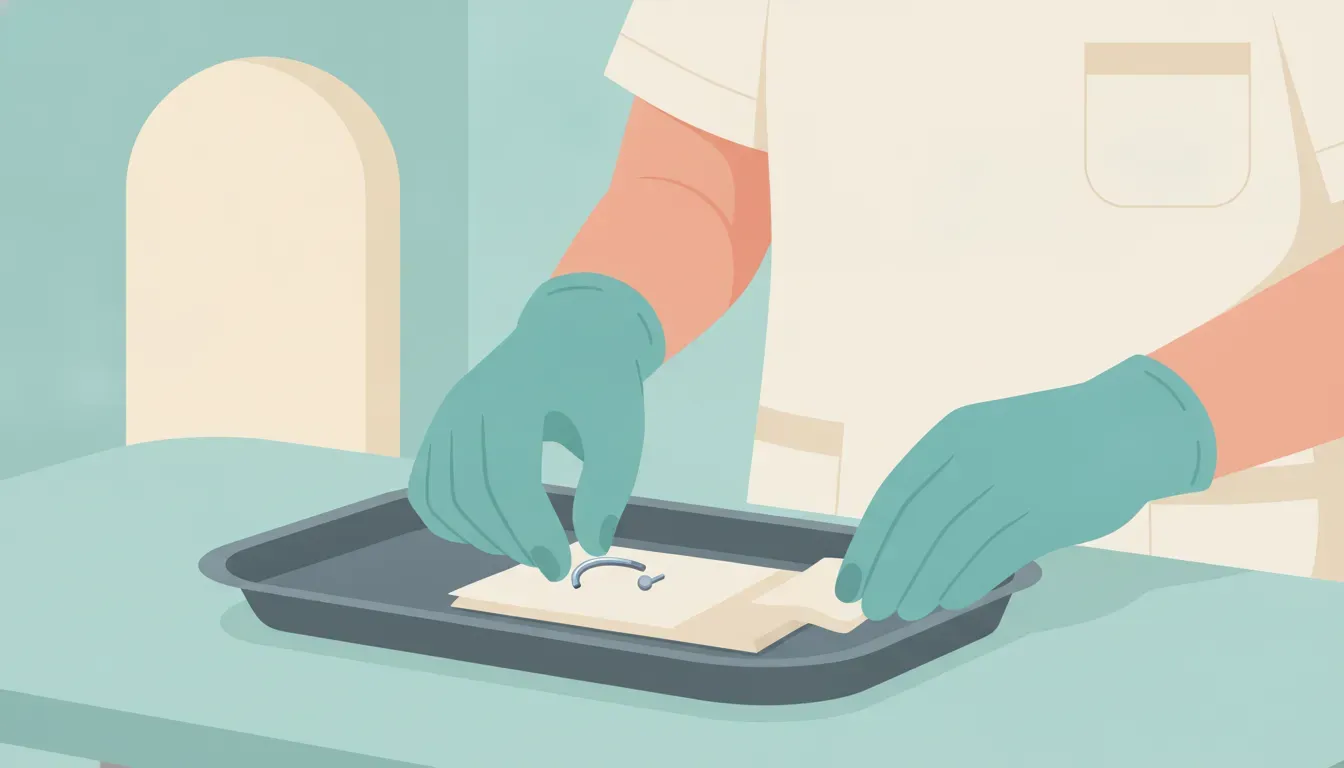
Initial jewelry has two jobs: it must be made from a suitable material and fit the anatomy with enough room for early changes without creating unnecessary movement. A curved barbell may follow the natural contour of the area, while another shape may be appropriate for a different placement. The correct choice is not determined by appearance alone.
Material quality is a non-negotiable part of the decision. Z Edge uses ASTM F136 implant-grade titanium and nickel-free 14k gold options. These materials support a premium jewelry selection for new and healed piercings. Steel is not an equal substitute for these materials, and mystery metals, plated jewelry, or pieces with an unknown composition are poor choices for a fresh piercing.
Why size and fit matter
Jewelry sizing includes more than the thickness of the bar. Gauge, wearable length, diameter, curve, end size, and the amount of tissue being pierced all affect comfort and stability. Jewelry that is too tight can place pressure on the tissue. Jewelry that is too long or loose can move, catch on clothing, and create avoidable irritation.
Start with the size selected for your anatomy and the expected early swelling. Do not order a replacement from a generic size chart and assume it will fit. When you are ready for a jewelry change, use Z Edge's implant-grade titanium collection as a material starting point, then confirm the exact fit and style for your piercing.
What Is Healing Like After a Frenulum Piercing?
Healing varies with anatomy, placement, jewelry fit, daily habits, and your body's response. Early swelling, tenderness, mild bruising, and a small amount of dried fluid can occur after a new piercing. These changes should gradually become easier to manage, but a piercing can look calm on the surface before the channel is fully settled.
Do not treat a published healing range as a guarantee or use a calendar to decide that the piercing is ready for a jewelry change. Continue your routine until the tissue is stable and the fit has been assessed. If the jewelry begins to feel tight, sinks into the tissue, or moves excessively, contact Z Edge rather than trying to solve the measurement yourself.
Sexual activity and other practical adjustments
Sexual activity creates friction and introduces bacteria to a healing piercing, so plan to pause until the area is no longer tender and the piercing has had time to settle. When you resume, be attentive to friction and use barrier protection. Stop if there is pain, pulling, bleeding, or fresh irritation.
Choose clean, breathable clothing and avoid pressure that repeatedly catches the jewelry. Keep the piercing out of pools, hot tubs, lakes, and the ocean while it is healing. Showers are easier to control than shared or natural water. Clean bedding and fresh towels also reduce unnecessary contact with contaminants.
Healing is easier when you can follow the routine consistently. If travel, sports, a physically demanding job, or a planned sexual event would make early care difficult, consider scheduling the appointment when you have a calmer window. The best date is one that allows you to protect the new piercing instead of working around avoidable irritation.
Frenulum Piercing Aftercare: A Simple Routine
Wash your hands before touching the jewelry or surrounding skin. Use a sterile saline aftercare product as directed for a body piercing, allow softened residue to rinse away, and pat the area dry with a clean disposable product. Do not twist, spin, or repeatedly move the jewelry while cleaning.
Keep the routine simple. Avoid rubbing alcohol, hydrogen peroxide, harsh antiseptics, fragranced products, and thick ointments unless a licensed medical professional has specifically instructed you to use one. These products can irritate healing tissue and make it harder to tell whether the piercing is improving.
What to avoid while it heals
- Do not change or remove the initial jewelry just because swelling has decreased.
- Do not let dirty hands, unwashed towels, or tight clothing rub against the piercing.
- Do not submerge the piercing in pools, hot tubs, lakes, or the ocean.
- Do not use a product simply because it is marketed for another type of wound or piercing.
- Do not ignore a jewelry fit that becomes tight, embedded, unusually loose, or persistently irritating.
Z Edge's piercing aftercare guidance is a useful companion as you build a daily routine. You can also review the aftercare products available from Z Edge, then select only what fits the instructions for your piercing.
What Are the Warning Signs of a Problem?
Some tenderness and localized swelling are expected early on. Contact Z Edge if you are concerned about placement, jewelry movement, or sizing, especially before removing or replacing the jewelry. A timely fit check can prevent you from making a measurement-based change that creates more irritation.
Worsening pain, spreading redness, increasing heat, marked swelling, thick or foul-smelling drainage, fever, or feeling unwell are not symptoms to dismiss. A medical review may be needed for suspected infection or another complication. A published review of body-piercing complications describes problems including localized infection, inflammatory growths, cellulitis, and keloids; it is available through PubMed Central.
Do not self-treat a serious or rapidly worsening symptom by covering it with jewelry, harsh chemicals, or an improvised remedy. If you have a severe symptom or feel acutely unwell, seek prompt medical care. The studio can help with piercing-specific questions, but medical symptoms require medical attention.
Is a Frenulum Piercing Right for You?
A frenulum piercing may suit an adult who wants a discreet genital piercing and is prepared to make short-term changes for healing. The decision should be based on your anatomy, comfort with the placement, jewelry fit, and ability to follow aftercare, not just on how the jewelry looks in a photo.
It is also reasonable to decide that now is not the right time. If you cannot protect the area from friction, are unsure about the meaning of the placement, or do not feel comfortable asking questions, wait until you have the information and circumstances you need. A clear consultation is the right place to work through those concerns.
When you are ready to discuss placement and jewelry, you can review Z Edge's piercing service information and bring your questions to the appointment. Service and jewelry details can vary by placement and anatomy, so use the consultation to confirm the plan rather than relying on a generic online estimate.
Contact Z Edge Piercing to plan your frenulum piercing consultation and jewelry selection.
Frequently Asked Questions
What is a frenulum piercing?
A genital frenulum piercing, also called a frenum piercing, is placed through tissue on the underside of the penile shaft. The exact placement and jewelry depend on the person's anatomy. This is different from an oral smiley or tongue-web piercing, which uses tissue inside the mouth.
How long does a frenulum piercing take to heal?
Healing time varies, so there is no reliable one-size-fits-all deadline. Jewelry fit, placement, anatomy, activity, and aftercare all affect the process. Keep caring for the piercing until it is stable, and confirm a jewelry change with Z Edge rather than using a calendar alone.
What jewelry is best for a frenulum piercing?
The best starting point is jewelry made from a verified, body-suitable material and sized for your anatomy. Z Edge uses ASTM F136 implant-grade titanium and nickel-free 14k gold options. A piercer should select the appropriate gauge, length, diameter, and shape for the placement.
Can you have sex after getting a frenulum piercing?
Plan to pause sexual activity while the piercing is tender and healing. Friction and bacteria can irritate the channel, so wait until the area has settled, then resume carefully with barrier protection and stop if you notice pain, pulling, bleeding, or new irritation.
What should you do if the jewelry feels too tight?
Do not force, twist, or replace the jewelry yourself. Contact Z Edge promptly for a fit assessment. If the area is hot, increasingly swollen, very painful, draining thick fluid, or accompanied by fever or feeling unwell, seek medical care as well.
