

Nasallang Piercing: What to Know Before You Choose It
A nasallang piercing is a distinctive, advanced nose piercing that connects both nostrils and the septum with one straight piece of jewelry. Its clean horizontal look is memorable, but the decision involves more than choosing a striking style. Placement, anatomy, jewelry fit, healing, and your day-to-day routine all deserve a careful look before you book.
Contact Z Edge Piercing to discuss whether a nasallang piercing fits your anatomy and goals.
In short: A nasallang uses one straight barbell through both nostrils and the septum. Because several points must line up, it requires careful anatomy assessment, precise marking, well-fitted ASTM F136 implant-grade titanium or nickel-free 14k gold jewelry, and patient aftercare.
What is a nasallang piercing?
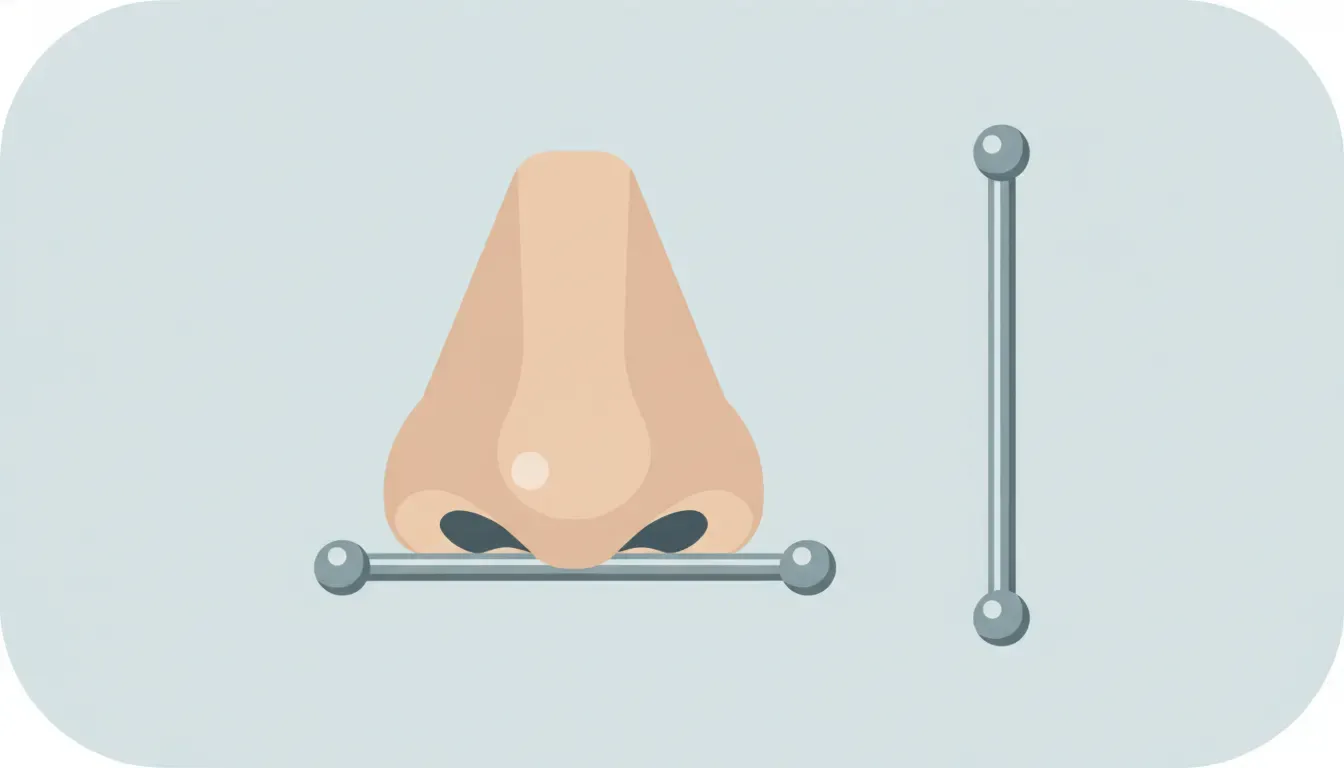
A nasallang is one connected piercing configuration rather than three unrelated nose piercings. The jewelry travels horizontally from one nostril, through the septum area, and out through the other nostril. From the front, you see an end on each side of the nose and a straight bar running across the center.
The defining feature is the relationship between the three points. A standard nostril piercing has one channel. A septum piercing has its own placement and jewelry path. A nasallang has to make the full route work as one design, so a reference photo cannot determine the correct height, angle, or bar length for your nose.
This is also why a nasallang should not be treated as a simple way to connect existing piercings. Older channels may sit at different angles or heights, and a straight bar can create pressure when the openings do not line up. A fresh plan based on your current anatomy is safer than assuming separate piercings can be joined later.
How is nasallang placement planned?
Nasallang placement is planned around the width and shape of the nostrils, the position of the septum, the tissue available along the intended path, and how the jewelry will sit when your face is relaxed. The goal is a balanced visual line that does not force the bar to angle or pull on one opening.
Marking matters because even a small change in height can alter the final look. The front view is only part of the decision. The bar also needs enough room for initial swelling without leaving excessive movement, and the ends should sit comfortably without pressing against the nose.
Questions to resolve before the piercing
- Does your anatomy support a straight path through both nostrils and the septum?
- Where will the ends sit when your nose is relaxed and when you move your face?
- What initial bar length leaves room for expected swelling without unnecessary snagging?
- Which material and finish will be used for the initial jewelry?
- What is the plan for checking fit and changing jewelry after the early swelling settles?
Look for a studio that can explain the placement plan clearly and show relevant examples of its work. Z Edge Piercing approaches placement and jewelry as one design decision, not as a one-size-fits-all template.
What jewelry is used for a nasallang?
A nasallang is typically built around a straight barbell because the jewelry needs to travel through the three aligned points. The correct gauge, wearable length, and end style depend on the placement and your anatomy. Starting jewelry may need additional room for swelling, while a later fit can be more streamlined once the tissue has settled.
Material quality is essential for a fresh piercing. Z Edge Piercing uses ASTM F136 implant-grade titanium and nickel-free 14k gold for its preferred jewelry options. Titanium is lightweight and suitable for people who want a nickel-free material, while nickel-free 14k gold offers a premium option with a warm finish. Browse ASTM F136 implant-grade titanium body jewelry to see examples of the material and finishes Z Edge carries.
Why fit matters more than a saved photo
Jewelry that is too short can put pressure on fresh tissue as it swells. Jewelry that is too long can move, catch, and make it harder to protect the healing channels. Gauge and wearable length are separate measurements, so choosing a piece based on one number alone can lead to a poor fit. Z Edge's piercing jewelry gauge and length guide explains the measurements that affect comfort and stability.
How painful is a nasallang piercing, and how long does it heal?
Pain is personal, but a nasallang can feel more involved than a single nostril piercing because the plan includes several connected points. The piercing itself is brief. Tenderness, swelling, pressure, and an unfamiliar sensation around the bar can be more noticeable during the early healing period.
Healing should be viewed as a process measured in months, not a quick countdown. The three connected channels may settle at different rates, and irritation at one point can affect how comfortable the whole bar feels. Healing time varies with anatomy, jewelry fit, aftercare, accidental bumps, and how consistently the piercing is protected.
Do not plan a jewelry change around a calendar date alone. The visible openings may look calm while the internal channels are still maturing. Z Edge's nose piercing healing guide provides broader context on why nose-piercing healing timelines vary. A nasallang deserves the same patience, with extra attention to its connected configuration.
How do you care for a nasallang while it heals?
Good nasallang aftercare keeps the healing channels clean, reduces movement, and prevents avoidable pressure. Follow the written aftercare directions provided by your studio, and keep the routine simple rather than adding harsh products or unnecessary handling.
- Wash your hands first. Touch the jewelry only when care requires it, and avoid testing whether it moves.
- Use the recommended sterile saline routine. Let the solution soften buildup, then dry gently with a clean disposable product if directed.
- Do not twist or rotate dry jewelry. Movement can irritate fresh tissue, especially when one bar connects several points.
- Protect the bar from pressure and snags. Be careful with towels, shirts, masks, glasses, and anything else that crosses the nose.
- Keep cosmetics and unapproved products away. Avoid putting makeup, oils, alcohol, or ointments on the healing area unless a qualified healthcare professional specifically directs it.
- Do not change or remove the jewelry early. A shorter fit or a style change should wait until the piercing is ready and the new piece matches the healed anatomy.
Normal early healing can include tenderness, mild swelling, and pale crusting. What matters is the direction of change. Increasing discomfort, repeated snagging, or pressure from the bar is a reason to contact the studio promptly so the fit can be assessed.
What signs mean a healing piercing needs medical attention?
A healing piercing can be tender without being infected, but worsening symptoms should not be dismissed. The NHS lists increasing swelling, pain, heat, marked redness or darkening, pus or blood, fever, chills, and feeling unwell among signs that may indicate an infected piercing. Read the NHS guidance on infected piercings for a complete symptom overview.
If you think the piercing may be infected or you feel systemically unwell, seek prompt medical advice. Do not rely on changing jewelry, applying random products, or waiting for the problem to resolve on its own. Cleveland Clinic also notes that redness, warmth, swelling, tenderness, discharge, and fever can be warning signs that need medical evaluation in a piercing infection; see its guidance on infected piercings.
For fit concerns without infection symptoms, contact Z Edge Piercing so the jewelry and placement can be reviewed. A bar that is pressing, snagging, or sitting at an unexpected angle should not simply be ignored.
Who should consider a different piercing instead?
A nasallang may not be the right choice for every nose, lifestyle, or healing plan. If the intended path cannot be aligned comfortably, a different configuration may give you a better result. Choosing a different placement is not a failed plan; it is a way to respect your anatomy and the way you want to wear jewelry every day.
Before committing, consider whether you can protect a long bar from bumps and snags, follow a consistent care routine, tolerate a longer healing process, and accept that the final jewelry fit may change after swelling. Think about work, sports, sleep, eyewear, masks, and other routines that place contact near the nose.
A good consultation should leave you with a clear understanding of the proposed path, initial jewelry, fit plan, healing expectations, and aftercare. If any of those decisions still feel vague, pause before booking and get the details clarified.
Frequently Asked Questions
Is a nasallang the same as three separate piercings?
No. A nasallang is one connected configuration in which a straight bar passes through both nostrils and the septum area. Three separate piercings may not line up well enough to use one bar.
Can existing nostril and septum piercings be connected into a nasallang?
Do not assume they can. Existing channels may have different angles, heights, or spacing. A new plan should be based on the current anatomy and the path the jewelry needs to take.
What jewelry does a nasallang use?
A straight barbell is the usual starting configuration. The correct gauge, wearable length, and ends depend on anatomy, placement, swelling, and the material selected for the fresh piercing.
How long does a nasallang take to heal?
Healing varies and should be planned in months rather than days. The connected channels can settle at different rates, and pressure, snags, poor fit, or inconsistent aftercare can extend the process.
What material is best for initial nasallang jewelry?
Z Edge Piercing uses ASTM F136 implant-grade titanium and nickel-free 14k gold for its preferred jewelry options. The final choice should match the planned fit, finish, and your jewelry goals.
