

A daith piercing is a unique ear piercing located in the innermost cartilage fold just above the ear canal. This specific spot sits in a thick part of the ear that needs a precise angle and safe jewelry to heal well. Experts recommend using only ASTM F136 implant-grade titanium or nickel-free 14k gold to avoid skin problems or metal issues. While some people believe this piercing can help with headaches, medical research shows no clear proof to support those claims. Since the needle passes through dense tissue, the healing time usually takes six to twelve months of daily care. Picking the right metal and a skilled piercer are the most vital steps for anyone planning this bold ear project.
Ready to book your daith piercing? Call (941) 378-0914 or browse our daith jewelry collection to schedule your appointment with Z Edge Piercing in Sarasota.
What Is a Daith Piercing?
A daith piercing is a cartilage piercing that goes through the innermost fold of the ear, directly above the ear canal. The jewelry sits nestled in this fold so that the ends appear to emerge from the ear opening itself. Because the cartilage here is thick, the piercing requires a skilled hand and appropriate jewelry for safe healing.
Where the piercing sits
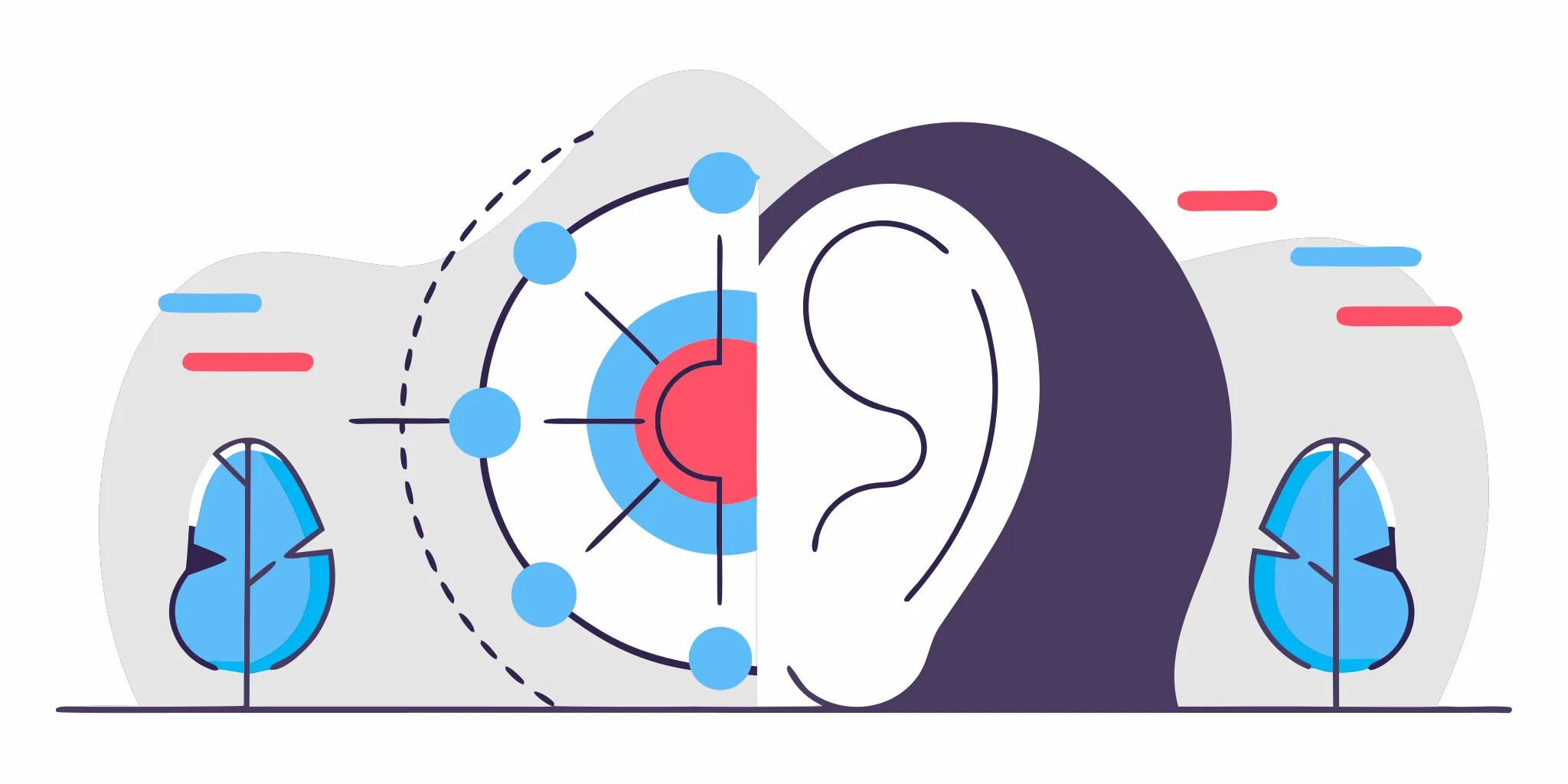
A daith piercing sits in the inner fold of your ear cartilage, the small ridge just above your ear canal. Because of where it sits, the jewelry looks like it comes right out of the ear hole. This spot is thick and firm and needs a steady hand to get right.
Every ear is different in size and shape, so a piercer must examine your ear to see if you have enough space. If the fold is too small, the piercing may not stay in place. A good piercer checks your ear first to make sure it is safe to proceed.
A brief history
The daith piercing first appeared in 1992. A piercer named Erik Dakota created it with a client who wanted a look that felt deep and had meaning. It debuted in the book Body Play (issue 4), which showed the world this new style. Since then, it has grown in fame across the globe. The name comes from a word that means knowledge, as the client wanted it to stand for wisdom.
Why expert placement matters
This piercing is not like a simple earlobe poke. A piercer must use a precise angle so the ring looks like it comes from the ear canal. If the angle is off, the jewelry might pull or feel tight, which can lead to bumps or slow healing. A professional who knows how to work with thick cartilage will use special tools to reach that tight spot safely.
Many people ask for this piercing to help with head pain. However, social media trends often move faster than science. Studies show there is no solid proof for these claims yet. Always choose a shop that puts safety and skill first.
Daith Piercing Pain and Healing Timeline
Most people rate daith piercing pain as moderate, around a 6 out of 10, because the needle passes through thick cartilage. Full healing takes six to twelve months, during which daily saline cleaning and avoiding pressure on the ear are essential for a smooth recovery.
How the pain feels
The pain of a daith piercing is more of a dull ache than a sharp sting. Since the needle goes through a thick fold of cartilage, you will feel some pressure. Eating a meal before your visit helps your body stay calm. While the initial poke is quick, the area may feel sore for a few days. Throbbing in the ear is normal for a fresh piercing.
The healing timeline
Healing takes six to twelve months, much longer than a simple earlobe piercing. Cartilage does not have much blood flow, so the body needs more time to repair tissue. Key healing milestones include:
- First 2-4 weeks: Crusting and mild swelling are normal. Clean twice daily with sterile saline and do not touch or twist the jewelry.
- 1-3 months: Surface tenderness decreases but the deeper tissue is still healing. Continue daily cleaning.
- 4-6 months: The piercing may feel healed but is not fully mature. Do not change jewelry yet.
- 6-12 months: Full healing is complete. You can safely swap jewelry with the help of a professional piercer.
Factors that affect healing
Several lifestyle factors influence how well your daith piercing heals:
- Sleep position: Avoid sleeping on the side of your new piercing to prevent pressure and irritation.
- Hygiene routine: Use only sterile saline spray twice daily. Avoid alcohol, hydrogen peroxide, and harsh soaps.
- Earbud use: Do not insert in-ear earbuds while healing. Use over-ear headphones instead.
- Water exposure: Stay out of pools, hot tubs, and lakes during the healing period.
- Overall health: Proper sleep, good nutrition, and low stress help your body heal faster.
Daith Piercing Jewelry: Materials, Sizing, and Styles
The best daith piercing jewelry is made from ASTM F136 implant-grade titanium or nickel-free 14k gold. Sized at 16 gauge (1.2 mm) with a diameter or length matched to your ear anatomy. Curved barbells work well for initial healing, while captive bead rings and clicker hoops are popular choices for healed piercings.
Metal comparison: choosing the right material
The material of your jewelry is the most vital choice for your daith piercing. Below is a comparison of common piercing metals:
| Material | Body Safety | Nickel Content | Best For |
|---|---|---|---|
| ASTM F136 Implant-Grade Titanium | Excellent | Nickel-free | Initial piercing, sensitive skin, long-term wear |
| Nickel-Free 14k Gold | Excellent | Nickel-free | Healed piercings, fashion-forward looks |
| Niobium | Very good | Nickel-free | Hypoallergenic alternative, color options |
| Surgical Steel | Poor | Contains nickel | Not recommended for healing piercings |
At Z Edge Piercing, we use only ASTM F136 implant-grade titanium and nickel-free 14k gold. These body-safe metals dramatically reduce the risk of allergic reactions and healing complications. Steel often contains nickel and is a top cause of skin irritation. Choosing titanium or gold from the start helps you avoid these risks.
Finding the perfect jewelry size
Most daith piercings use a 16 gauge needle (1.2 mm thick), which provides enough strength for cartilage without being bulky. The diameter or length of your jewelry also matters. If the ring is too small, it can press on the piercing and cause pain. A professional piercer will evaluate your ear anatomy and select jewelry that allows room for natural swelling.
Popular daith jewelry styles
Several jewelry styles work well for a daith piercing. Most people start with one of these:
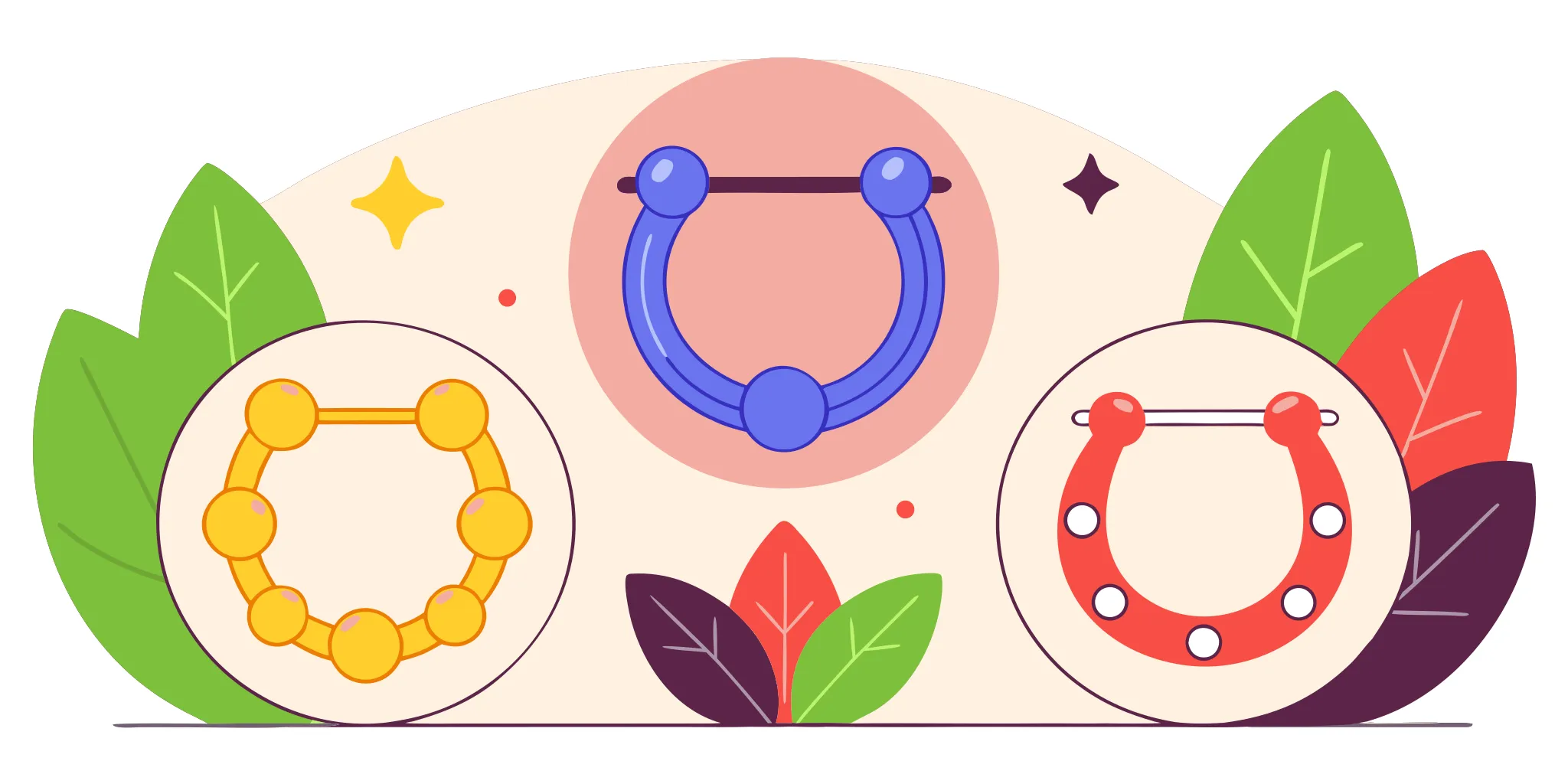
- Curved barbell: Often used during initial healing because it stays in place and is easy to clean. The curve matches the natural shape of the inner ear cartilage.
- Captive bead ring: A classic hoop with a small bead held in place by tension. Provides a clean, traditional look.
- Seamless hoop: A smooth ring with nearly invisible closure. Comfortable and minimalistic.
- Clicker ring: Hinged hoop that snaps closed. Available with decorative gems or ornate metalwork for healed piercings.
Essential Daith Piercing Aftercare
Proper aftercare for a daith piercing means cleaning twice daily with sterile saline spray, avoiding jewelry rotation, and keeping pressure off the ear. With consistent care over six to twelve months, most complications such as bumps or infection can be prevented.
Daily cleaning routine
Clean your piercing twice a day using a sterile saline spray. Products like H2Ocean are mild and effective. When cleaning:
- Spray the saline directly on the piercing site, front and back.
- Let it air dry or pat gently with a clean paper towel.
- Do not twist, turn, or move the jewelry. This can tear the healing skin and introduce bacteria.
- Do not use alcohol, hydrogen peroxide, or harsh antibacterial soaps.
Daily habits that protect your healing
- Sleep on the opposite side or use a travel pillow with your ear in the center hole.
- Avoid in-ear earbuds for at least six months. Use over-ear headphones.
- Keep hair products, sprays, and perfumes away from the piercing.
- Tie back long hair to prevent snagging on the jewelry.
- Avoid swimming in pools, hot tubs, lakes, or oceans until fully healed.
- Wash your hands before touching the area during cleaning.
When to see a professional
Mild pinkness and clear fluid are normal during healing. Contact your piercer or a doctor if you notice:
- Spreading redness or heat around the piercing
- Thick green or yellow pus
- Increasing pain after the first week
- Fever or chills
- The jewelry becomes embedded or too tight
Does a Daith Piercing Help with Migraines?
Despite popular claims on social media, medical research has not found scientific evidence that a daith piercing effectively treats migraines or chronic headaches. The theory stems from acupuncture pressure points, but clinical studies show no reliable or lasting relief. The daith piercing should be considered a cosmetic choice, not a medical treatment.
Where the migraine theory came from
The link between a daith piercing and headache relief comes from acupuncture. In traditional Chinese medicine, specific spots on the ear relate to different parts of the body. Some believe the daith fold is a pressure point used for head pain. By piercing this area, the goal is to provide constant stimulation similar to an acupuncture needle. However, a piercing that stays in place is not the same as a short-term acupuncture needle. This idea has spread on the internet, but scientific data does not validate these claims as a proven medical treatment.
What the research shows
Medical studies have examined whether this piercing works for pain relief. Most clinical research finds no solid evidence to support health claims about daith piercings and migraines. While some patients report an initial drop in pain, those symptoms often return in the following weeks or months. These findings suggest any relief may be short-lived. Doctors do not recommend getting a piercing to replace medical migraine treatment. It is best to treat the daith piercing as a cosmetic choice and consult a physician for chronic pain management.
View the daith as a cosmetic choice
The daith is a beautiful and unique piercing that makes a bold style statement. Choosing high-quality materials is key for any new piercing. At Z Edge, we use only ASTM F136 implant-grade titanium or nickel-free 14k gold. These materials lower the risk of irritation and help your piercing heal well. Get a daith because you love the look. Any effect on headaches should be seen as a personal experience that varies from person to person, not a guaranteed outcome.
Frequently Asked Questions
Can I wear earbuds with a daith piercing?
You should avoid in-ear earbuds while your daith piercing heals. Pressure from earbuds can cause pain and slow healing. Wait at least six months before trying earbuds again. Use over-ear headphones to keep the area safe in the meantime.
When can I change my daith piercing jewelry?
Wait until your piercing is fully healed, which takes six to twelve months. Do not twist or move the jewelry during healing. Swapping pieces too soon can cause pain or lead to infection. Visit a professional piercer for your first jewelry change.
How much does a daith piercing cost?
The cost typically ranges from $35 to over $100. This covers the service fee and basic jewelry. High-end metals like gold will raise the total. Choose a shop that uses clean tools and body-safe materials. A higher price often reflects better quality and safety standards.
What is the best jewelry material for a daith piercing?
The best metals are ASTM F136 implant-grade titanium or nickel-free 14k gold. These metals are body-safe and reduce the risk of allergic reactions. Avoid steel, which contains nickel and can cause irritation during the long healing phase.
Ready to Book Your Daith Piercing?
Waiting means your bold new look stays on hold. Book your appointment today with Z Edge Piercing in Sarasota, FL. Our expert piercers use only implant-grade titanium and nickel-free 14k gold for safe, beautiful results. You can also shop our curated daith jewelry collection or read our piercing aftercare guide to prepare for your visit.
Call (941) 378-0914 to schedule your daith piercing appointment today.
