
VCH Piercing Guide: Planning, Fit, and Care
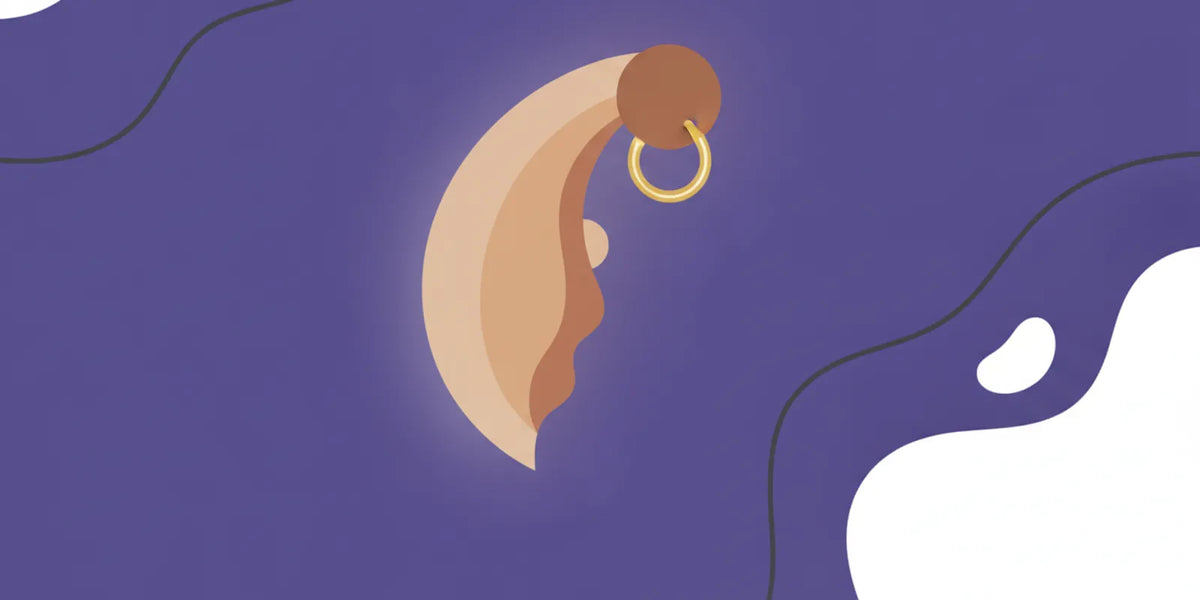
A VCH piercing is a vertical clitoral hood piercing, and choosing one involves more than liking a particular piece of jewelry. This guide covers placement, anatomy, materials, fit, aftercare planning, and what to discuss before booking. The goal is to help you make a deliberate choice, not promise that one placement or jewelry style works for everyone.
Contact Z-Edge about piercing services
What is a VCH piercing?
VCH stands for vertical clitoral hood. The piercing passes through tissue of the hood above the clitoris, rather than through the clitoris itself. It is a genital piercing, so informed consent, privacy, anatomy, and careful placement are central to the decision. People consider it for personal, aesthetic, or sensory reasons, but experiences and preferences differ. No description can predict exactly how it will feel or look for you.
The name describes an orientation and location, not one universal jewelry choice. Angle, entry and exit points, and dimensions depend on the individual body and service plan. A photograph or another person's result may help you describe a style, but cannot establish whether the same placement or jewelry suits you. Begin with the service itself: Z-Edge outlines its offerings on the body piercing services page. Use that page as general context and contact the studio for service-specific details.
It can help to separate three questions that are often treated as one: Is this kind of piercing personally right for me? Is the intended placement appropriate for my anatomy? What jewelry will work with that placement? Your answer to the first question may be yes while the later questions still require discussion. Keeping the questions distinct prevents an appealing piece of jewelry or a strong reaction to a photo from deciding the entire plan for you.
What should you consider before choosing?
Start by asking whether you want the piercing for your own reasons and feel ready to discuss an intimate service. You should be able to ask questions without pressure, understand the proposed placement and jewelry, and pause if an answer is unclear. Curiosity does not require an immediate appointment. A decision made after you understand the process is more useful than one based on urgency or somebody else's experience.
Consider how the choice fits everyday life. Think about clothing, movement, activities that create pressure or friction in the area, and whether you can follow the studio's aftercare directions during healing. If your schedule makes it hard to keep the area undisturbed, consider waiting for a more suitable time. Avoid relying on a fixed healing timetable from another person's experience; individual circumstances vary.
Try a practical calendar check before booking. Look at the weeks ahead for travel, strenuous activity, events involving restrictive clothing, or other situations that might make it difficult to follow care instructions. This is not a prediction of healing time; it is a way to notice whether you can give a new piercing attention and avoid unnecessary disturbance. If the timing looks difficult, postponing is a valid option.
Make anatomy part of the conversation rather than assuming a reference image determines suitability. A consultation can address whether the intended placement suits your anatomy, what jewelry is proposed, and what alternatives may make sense. If the answer is that the piercing is not a fit for you, that is useful information, not a reason to force the choice.
How does anatomy affect placement?
VCH placement depends on the shape and amount of tissue available in the hood, as well as how jewelry would sit through it. A style that looks straightforward in a photo may not translate directly to another person. Placement should be discussed in person, with the route and jewelry explained before the procedure begins.
Ask what the proposed entry and exit points are, how the jewelry will rest when you are standing and sitting, and whether any part may press against surrounding tissue. You can ask for the intended placement to be marked and shown before proceeding. Take time to look, request adjustments where appropriate, and give clear consent only when you understand the plan.
A useful consultation is a sequence, not a single yes-or-no moment. First, explain what you have in mind and what you are hoping to achieve. Next, hear how the location and route relate to your anatomy. Then review the proposed jewelry and how it is expected to sit. Finally, look at the marking and ask for changes or clarification before deciding. If the plan changes during that discussion, make sure the updated placement and jewelry are explained again.
Do not use an online sizing chart or another person's measurement to choose dimensions for a fresh piercing. Similar measurements can sit differently because tissue thickness, placement, and jewelry shape vary. The useful result of the conversation is a specific plan for your body, not a generic size copied from a listing. The studio's piercing service information is a starting point, not a substitute for that individualized discussion.
Also distinguish visual position from functional fit. A piece may appear centered in a photo while its curve, end size, or length would be uncomfortable in a different anatomy. The important question is not whether your result can reproduce an image exactly. It is whether the planned route and jewelry suit your body and the care you can provide.
Which jewelry materials should you compare?
Material is a practical decision, not just a color choice. Z-Edge states that it uses ASTM F136 implant-grade titanium and nickel-free 14K gold for piercings. If you have a metal sensitivity or a history of reacting to jewelry, bring that up before choosing. Clear material details matter more than a product's color or promotional description.
Gold color alone does not tell you what a piece is made from. Ask whether it is solid 14K gold and confirm that it is nickel-free. For titanium, look for the stated ASTM F136 implant-grade material rather than a vague color or finish description. Steel is an inferior option and is not interchangeable with the titanium or gold materials Z-Edge uses.
When evaluating a product description, look for the material of the component that goes through the piercing, not just the decorative top. A listing may emphasize a gem, finish, or design while leaving the post details harder to spot. Make a short note of what is explicitly stated and what remains unclear. If the material is not identified in the description, do not infer it from a gold or silver appearance.
Choose material alongside proposed fit and design. A detailed end is not a good choice if it catches, presses, or makes the jewelry harder to keep clean. A simple end can be sensible while prioritizing fit and day-to-day comfort. Z-Edge's 14K gold threadless leaf top is an example of a gold design to discuss as a style reference; a listing does not establish that an end or post suits a fresh VCH piercing.
Keep preferences and specifications separate when you discuss material. You might prefer a warm gold appearance but still need to confirm the exact metal and the jewelry assembly. Or you may prefer titanium and want to compare different end designs. Neither preference determines the dimensions. First make sure the material is clear; then consider the full design in the context of planned placement.
How do jewelry shape and fit change the choice?
Curved barbells are often discussed for VCH jewelry because a curve may follow tissue shape, while ring-style jewelry may be considered in some circumstances. These are design categories, not prescriptions. The right choice depends on placement, tissue, dimensions, and the service plan. Do not assume a ring or barbell is automatically suitable because you have seen someone else wear it.
For fit, distinguish gauge from wearable length or diameter. Gauge describes post thickness. Wearable length describes the usable portion of a straight piece between its ends; a ring's inner diameter describes the opening across its inside. These measurements answer different questions. A listing that gives only one number does not tell you enough to determine fit.
Consider the size and shape of the ends, too. Low-profile ends may be less prominent, while decorative shapes add detail and can change how the piece sits. The complete design must work with the placement and clothing, rather than being selected by appearance alone. Save a style you like and ask how its shape, post, and dimensions relate to the proposed piercing.
| Choice to compare | What it describes | What to clarify |
|---|---|---|
| Material | What the post and ends are made from | Is it ASTM F136 implant-grade titanium or nickel-free 14K gold? |
| Gauge | Post thickness | What thickness is planned for this placement? |
| Wearable length | Usable length of a straight piece | How will it sit without undue pressure? |
| Inner diameter | Opening size of a ring | Does this ring shape and size suit the intended route? |
| End design | Visible decorative or flat ends | Will the shape sit comfortably and suit the care plan? |
This comparison is a question guide, not a self-fitting chart. It helps you describe what you want and understand options; it cannot replace placement planning for your body. Z-Edge's gold threadless leaf top and titanium threadless star top illustrate how end designs differ. Treat product examples as visual references until the studio confirms whether a piece is appropriate for the planned piercing.
Here is a simple comparison exercise for two hypothetical choices. Suppose you like a small, plain end and a larger decorative end. Do not decide from appearance alone. Write down the exact material, gauge, and dimensions available for each, then ask whether those options are suitable for the planned route. If one listing gives no useful sizing information, it is not possible to make a fair fit comparison yet. The missing detail is a question to resolve, not a reason to guess.
Another common mix-up is confusing the post with the visible end. A post can have an appropriate thickness while the end shape or overall assembly is not a good match. Likewise, an attractive end does not tell you whether the wearable length is right. Compare complete pieces rather than isolated components, and keep the service plan in view when reviewing any product photograph.
How can you plan for aftercare?
Before an appointment, ask for current written aftercare instructions and make sure you understand how to follow them. A useful plan explains routine cleaning, what to avoid, and how to handle questions if something changes. Read directions before the appointment so you can decide whether the routine is workable.
Keep handling deliberate and gentle, and do not change jewelry simply because you want to try another look. Changing a piece too early or choosing a different size without a fit plan may disrupt the intended setup. Follow the specific instructions provided for your piercing. Z-Edge provides general guidance on its piercing aftercare page; use piercing-specific directions for your appointment.
Make the routine practical before you need it. Identify where you will keep the written instructions, how you will remember the steps, and how you will avoid unnecessary friction from clothing or activities. If a direction is confusing, ask for clarification rather than improvising a substitute. Do not add products or elaborate cleaning steps just because they appear in a forum or a friend's routine; instructions should match your service and situation.
Notice changes without trying to diagnose them from a photo or online checklist. If you have a concern about pain, swelling, discharge, or another change, contact the studio promptly for guidance and seek appropriate medical care when symptoms are severe or you are worried about your health. Avoid unapproved products or repeatedly moving jewelry to test it. Clear, timely communication is more useful than guessing.
It can be helpful to note the date of a concern, what changed, and any relevant recent activity before reaching out. Keep the description factual: what you notice, when it began, and whether it is changing. That information can make a conversation clearer without requiring you to diagnose the cause yourself. If you believe there is an urgent health issue, prioritize appropriate medical care.
What should you ask before booking?
Because this is an intimate service, ask about both procedure and privacy. Find out how the appointment is conducted, what consent and identification steps are required, whether you can request a pause, and how privacy is respected. Confirm age or documentation requirements directly with the studio rather than relying on an old post or another person's account.
Ask about the proposed jewelry: material, style, gauge, and dimensions. Ask how placement will be explained before the procedure, what choices you have after seeing the marking, and what happens if the planned placement is unsuitable. A clear answer should let you understand the decision points before you commit.
Prepare a short list in advance so an intimate appointment does not require you to remember every question on the spot. Put essentials first: whether the location suits your anatomy, how the jewelry will sit, what material and dimensions are proposed, and what care instructions you will take home. If you have a metal sensitivity, relevant prior experience, or a privacy concern, note it. You need not share more than is relevant, but it is reasonable to raise details that could affect the plan.
Confirm practical requirements directly with the studio. Ask whether an appointment is needed, what the consultation includes, how long to allow, what preparation is recommended, and whom to contact afterward. Requirements can vary by service and circumstance. Z-Edge's piercing blog collection offers general reading, while the studio can confirm details for your service.
Before you go, check that you can state your preferences and boundaries clearly. For example: “I want to understand the marking before I decide,” “Please explain the jewelry dimensions,” or “I need a moment before proceeding.” You do not have to use those exact words. The point is to make sure you know that questions and pauses are part of your decision, not interruptions to it.
How can you compare jewelry listings without guessing?
When reviewing a piece, make a checklist rather than comparing photographs alone. Record the exact material, whether the description specifies nickel-free 14K gold or ASTM F136 implant-grade titanium, the jewelry style, gauge, wearable length or ring diameter, and end dimensions. If a listing leaves one of these details unclear, that uncertainty matters more than a persuasive product photo.
Separate “looks like what I want” from “is suitable for my piercing.” A decorative gold end can be a useful visual reference, but the full jewelry assembly and size determine how it fits. Product pages for 14K gold threadless designs or titanium threadless designs can help you note your preferred aesthetic. They are not VCH sizing recommendations or proof that every pictured piece suits a new piercing.
Keep your comparison focused. If two pieces differ in both material and dimensions, you are not comparing one variable at a time. First confirm material standard and proposed fit, then compare ends and finish. Bring the product name or image to the conversation and ask which parts of the design can be used while keeping the planned jewelry appropriate.
A practical worksheet can keep the decision organized. Use one line per option and columns for material, style, gauge, length or diameter, end shape, and questions still unanswered. Mark a detail “not stated” instead of filling it in from appearance. Then bring the worksheet or saved product pages to the studio discussion. This creates a clear conversation and reduces the chance that a striking photo makes you overlook a missing specification.
For example, imagine one piece has a clearly stated metal but no dimensions, while another has dimensions but an unclear material description. Neither listing alone answers the whole question. Do not treat one as the winner simply because it supplies more information in a different category. Identify the missing facts, then compare suitable complete options once material and fit details are clear.
What planning mistakes should you avoid?
Do not treat a trend, photograph, or social post as proof of anatomy or fit. Do not buy jewelry first and expect the piercing plan to conform to it. Placement and dimensions should guide the jewelry choice. Start with a service discussion and use product ideas to express preferences, not as specifications.
Do not confuse appearance with material. Color does not establish composition, and “gold tone” does not mean nickel-free 14K gold. Confirm material details in plain terms. Z-Edge uses ASTM F136 implant-grade titanium and nickel-free 14K gold; when comparing pieces, seek equally clear material information rather than assuming equivalence.
Avoid expecting one universal timeline, care routine, or sensation. Experiences vary, and broad claims cannot tell you what will happen in your case. Get directions for your piercing, keep the jewelry plan stable unless advised otherwise, and ask for clarification when needed. Give yourself time to decide rather than treating a booking as a commitment to proceed regardless of concerns.
Also avoid turning a personal preference into a fixed requirement before the placement is understood. You may arrive with a particular curve, ring, or decorative end in mind, but the service plan might call for a different choice. Keep a first-choice style and a backup preference if you have one, while remaining open to the explanation of how each relates to anatomy, comfort, and care.
How do you make a careful choice?
Before deciding, check that you can explain the intended placement, identify the proposed jewelry material and dimensions, and describe the aftercare plan in your own words. Make sure you know how to raise a concern and feel comfortable asking for clarification or a pause. Resolve uncertainty before proceeding.
Keep the decision specific to you. Another person's experience cannot determine your anatomy, jewelry fit, or preferred design. A clear consultation, accurate material information, and a care plan you understand are more useful than copying a result. The Florida Department of Health provides public-health information; service and jewelry questions should go to Z-Edge.
It may help to use a final three-part check. First, can you describe where the piercing is intended to pass and how the marking will be reviewed? Second, can you identify the proposed material and the relevant dimensions rather than only naming a style? Third, do you know what care instructions you will follow and how to ask for help if something concerns you? If an answer is missing, pause and resolve it instead of assuming the detail will take care of itself.
There is no need to decide every decorative detail before your discussion. Your goal is to understand the service, communicate what matters to you, and make an informed choice about the plan that fits your body. Sometimes the result of a careful conversation is to proceed; sometimes it is to wait or choose another option. Either can be a sound decision.
Contact Z-Edge to discuss your piercing questions
Frequently Asked Questions
What does VCH stand for?
VCH stands for vertical clitoral hood. The term describes the piercing's orientation and location; placement and jewelry choices vary by individual anatomy.
Can I choose VCH jewelry from a product photo?
A product photo can show a style you like, but it does not establish the right material, dimensions, or fit for a particular piercing. Confirm the jewelry plan and sizing for your placement before choosing.
Which materials does Z-Edge use for piercings?
Z-Edge states that it uses ASTM F136 implant-grade titanium and nickel-free 14K gold. Confirm the specific piece and its fit as part of the service discussion.
How do I prepare for aftercare?
Review the studio's current written, piercing-specific aftercare directions before the appointment. Ask about any step you do not understand and follow the guidance for your piercing.
Take time to understand placement, material, fit, and care before deciding whether a VCH piercing is right for you.


