

Cartilage Piercing Bump: Causes, Treatment, and Prevention
A small raised area beside a new cartilage piercing can be frustrating, especially when the piercing otherwise looks clean. Cartilage heals slowly, often over four to twelve months, so irritation can appear during the normal healing period rather than signaling that the piercing has failed.
Book your cartilage piercing consultation at Z Edge Piercing. Schedule an appointment to speak with a professional piercer about jewelry selection and aftercare that supports healthy healing.
A cartilage piercing bump is usually a localized response to irritation or disrupted healing, not a serious complication. Most improve when pressure, friction, harsh aftercare, or unsuitable jewelry is addressed. But a bump that keeps growing, feels hot, drains pus, or comes with fever needs prompt professional evaluation.
The first step is understanding what may be disturbing the healing tissue. Sleeping on the piercing, catching it on hair or clothing, touching it unnecessarily, and using jewelry that contains irritating metals can all keep inflammation going. Knowing these triggers makes it easier to choose the right care and recognize when expert help is needed.
What Causes a Cartilage Piercing Bump?
A cartilage piercing bump usually develops when the body's normal healing process is disrupted. Cartilage piercings are more prone to irritation than softer tissue because they heal slowly and can experience repeated pressure or friction during everyday activities. A bump that appears after sleeping on the piercing, catching it, or changing jewelry is often a sign that the area needs less disturbance and more consistent care.
Trauma and repeated irritation
Small, repeated injuries can keep a healing piercing inflamed. Sleeping on the ear places direct pressure on the jewelry, while hair, clothing, headphones, and towels can catch or pull the piercing. Touching, twisting, or moving the jewelry with unwashed hands adds friction and transfers bacteria to a healing wound. Even if each incident seems minor, repeated irritation can prevent the tissue from settling and contribute to a cartilage piercing bump.
Low-quality jewelry materials
The jewelry itself may be the source of ongoing irritation. Surgical steel can contain nickel, which irritates some people and is not an equivalent choice to implant-grade titanium or gold. Poor-quality jewelry may also have rough surfaces, unsuitable sizing, or an inconsistent finish that places additional stress on healing tissue. Hypoallergenic materials are especially important for a fresh piercing.
Z Edge Piercing uses ASTM F136 implant-grade titanium and nickel-free 14k gold, selected to support comfortable, reliable healing. If the jewelry is suspected of causing irritation, have a qualified piercer assess the fit and material rather than changing it yourself. Learn more about implant-grade titanium body jewelry and why material quality matters for healing.
Improper aftercare
More cleaning does not necessarily mean better healing. Over-cleaning, scrubbing, and using alcohol, hydrogen peroxide, or other harsh products can damage delicate tissue and prolong inflammation. On the other hand, inconsistent cleaning can allow buildup to remain around the jewelry. Follow a gentle, professional routine and avoid adding unapproved products. For guidance, review proper cartilage piercing aftercare.
These causes can overlap. For example, a tight piece of jewelry may snag more easily, while harsh cleaning can make minor trauma harder for the piercing to recover from.
Cartilage Piercing Bump vs. Keloid: How to Tell the Difference
A bump around a healing cartilage piercing can be unsettling, but its appearance does not automatically mean you have a keloid. Most bumps are related to irritation or the normal healing process. A granuloma, sometimes called an irritation bump, may develop around six weeks after a piercing. Cartilage can take months to heal, so changes during this period need to be assessed carefully rather than treated aggressively.
| Feature | Irritation Bump | Keloid |
|---|---|---|
| Texture | Often soft or somewhat flexible. | Usually firm, hard, and raised. |
| Color and drainage | May look pink or red and can release a small amount of clear fluid. | May be skin-colored, pink, or darker, but is not typically defined by clear drainage. |
| Where it grows | Usually stays close to the piercing channel or the area being irritated. | Extends beyond the original piercing wound as excess scar tissue. |
| Timing | Commonly appears within weeks while the piercing is healing. | Can develop after the wound has healed and may continue enlarging. |
| Likely cause | Pressure, friction, movement, unsuitable jewelry, or disrupted aftercare. | A genetic tendency to form an overgrowth of scar tissue. |
| Typical course | May settle when the source of irritation is corrected and the piercing is cared for gently. | Usually does not disappear without medical treatment. |
When the bump needs medical attention
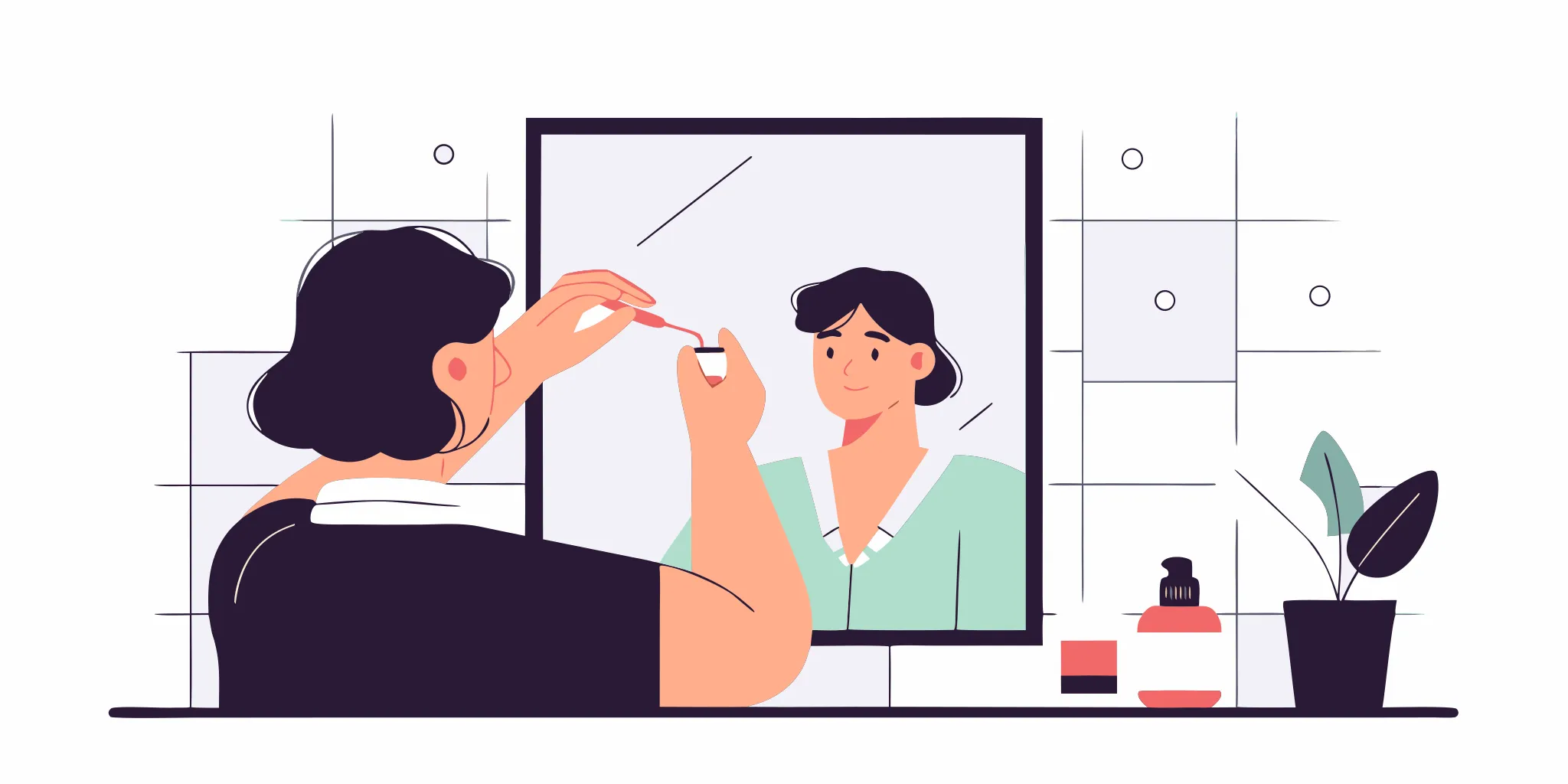
A painful or noticeably swollen bump should be evaluated by a qualified healthcare professional, especially if the discomfort is increasing. Pus, particularly thick white, yellow, or green drainage, can indicate infection rather than a simple irritation bump. Other warning signs include spreading redness, heat, fever, or feeling unwell. Do not squeeze, pop, or cut the bump, and do not remove the jewelry without professional guidance. Closing the channel can make drainage more difficult if an infection is present.
Because irritation bumps and keloids can look similar in photographs, a diagnosis cannot be made reliably from appearance alone. If a firm growth continues expanding beyond the original wound, or if you have a personal or family history of keloids, arrange an evaluation with a healthcare professional. Early advice can prevent unnecessary irritation and help you choose a safe next step. Review our guide on infected ear piercing signs and prevention for more details on when to seek care.
How to Treat a Cartilage Piercing Bump
A small irritation bump often improves when you remove the source of irritation and return to gentle, consistent aftercare. Cartilage can be slow to settle, so avoid changing several things at once or applying harsh products that may further damage healing tissue.
- Clean with sterile saline twice daily. Use a sterile saline solution and follow the cleaning instructions provided by your piercing professional. Let the solution soften any buildup, then gently dry the area with a clean, disposable product. For more guidance, review our proper cartilage piercing aftercare instructions. More cleaning is not necessarily better, so avoid scrubbing or repeatedly disturbing the site. Read our complete guide to sterile saline solution for ear piercings for product recommendations.
- Ask a professional about changing the jewelry. Poorly fitted or irritating jewelry can keep a bump active. A qualified piercer can assess the fit and replace unsuitable jewelry with ASTM F136 implant-grade titanium or nickel-free 14k gold. Z Edge Piercing exclusively uses these materials to help reduce irritation. Do not change the jewelry yourself while the piercing is healing, especially if swelling is present.
- Try a warm chamomile compress. A clean, comfortably warm compress may help soothe inflammation around the piercing. Keep it warm rather than hot, use a fresh compress, and stop if the skin becomes more irritated. This is a comfort measure, not a substitute for evaluation when symptoms are worsening.
- Leave the piercing alone. Do not touch, twist, rotate, squeeze, or pick at the bump. Avoid sleeping directly on the piercing and take care when clothing, hair, headphones, or helmets could catch it. Repeated pressure and friction can prolong irritation.
What to avoid
Do not remove the jewelry on your own. The channel may close and trap drainage or infection beneath the skin. Avoid alcohol and hydrogen peroxide because they are too harsh for healing tissue. Undiluted tea tree oil can also cause irritation or a skin reaction, so do not apply it to the piercing.
When to see a professional
Arrange an assessment if the bump persists, grows, or keeps returning after irritation is reduced. Seek prompt medical care if the area becomes increasingly hot, swollen, painful, or dark red, or if you develop a fever. Pus, including white, green, or yellow drainage, is also a reason to contact a healthcare professional. Mayo Clinic advises medical attention for a painful, itchy, swollen cartilage piercing that is very red or dark, and for a site that oozes pus: review the warning signs.
Preventing Cartilage Piercing Bumps
Most irritation bumps are easier to prevent than to correct. Cartilage tissue heals slowly and has less blood flow than softer tissue, so small sources of pressure, friction, or irritation can become persistent problems. Starting with the right jewelry and following consistent aftercare gives the piercing the best chance to heal calmly.
Start with professional piercing and suitable jewelry
Choose a reputable studio that uses sterile procedures, carefully evaluates your anatomy, and fits jewelry with enough room for normal swelling. The material matters from day one. Z Edge uses ASTM F136 implant-grade titanium and nickel-free 14k gold, materials selected to reduce avoidable irritation during healing. Poor-quality jewelry can create ongoing sensitivity, especially when nickel is present. Steel should not be treated as an equivalent alternative to implant-grade titanium or gold.
Browse Z Edge Piercing jewelry collection to see the range of high-quality options available.
Jewelry fit also changes as swelling settles. Ask a qualified piercer when the post should be downsized, then have the adjustment performed professionally. Downsizing at the appropriate time reduces excess movement and snagging without putting pressure on a still-swollen piercing. Changing jewelry too early, or using a piece that is too short, can create new irritation.
Keep aftercare simple and protect the piercing from trauma
Follow the written aftercare instructions provided by your piercer rather than adding harsh products or excessive cleaning. Keep the area clean and dry as directed, and avoid touching, twisting, or playing with the jewelry. More cleaning is not necessarily better. Alcohol, hydrogen peroxide, and other aggressive products can irritate healing tissue.
Reduce pressure in everyday situations. Do not sleep directly on the piercing, and take care when brushing your hair, using headphones, or pulling clothing over your head. Hair and fabric can catch on cartilage jewelry, while repeated contact can keep a small irritation from settling. Clean pillowcases and careful sleeping positions can help limit friction. Learn about different types of ear piercings and their specific healing considerations.
For additional guidance, review Z Edge's proper cartilage piercing aftercare instructions. If swelling, pain, drainage, or a bump is worsening instead of gradually improving. Contact your piercer for an assessment rather than trying to solve the problem with a new product. Professional jewelry selection, timely downsizing, and consistent aftercare work together to prevent most avoidable cartilage piercing bumps.
If you are unsure whether your current jewelry material is suitable. A professional piercer can check the metal quality and look for signs of nickel sensitivity or other reactions. Switching to implant-grade titanium or nickel-free gold at the right time removes a common source of ongoing inflammation and helps the piercing settle.
Frequently Asked Questions
How long does a cartilage piercing bump take to heal?
A minor irritation bump may improve over several weeks once pressure, friction, or unsuitable jewelry is addressed. The piercing itself can take 4 to 12 months to heal fully, so occasional tenderness does not always mean treatment has failed. Continue gentle aftercare and avoid sleeping on or handling the area.
Should I remove my jewelry if a cartilage bump appears?
Do not remove the jewelry without guidance from a qualified piercer or healthcare professional. Removing it can allow the channel to close and may complicate drainage if an infection is present. A professional can assess the fit and material, then recommend an appropriate change when needed.
How can I tell whether the bump is infected?
Increasing pain, warmth, swelling, dark or spreading redness, or white, green, or yellow pus warrants prompt medical attention. Cartilage infections can require more care than routine irritation. If you feel unwell or develop a fever, contact a healthcare professional rather than treating the bump at home. Source: Mayo Clinic guidance.
When should I see a piercer about a cartilage piercing bump?
Arrange an assessment if the bump persists, grows, repeatedly catches on hair or clothing, or does not improve with gentle aftercare. A reputable piercer can check whether pressure, angle, jewelry length, or material is contributing to irritation. ASTM F136 implant-grade titanium and nickel-free 14k gold are Z Edge Piercing's preferred jewelry materials.
Ready to Choose Better Piercing Jewelry?
The right jewelry and aftercare can support a calmer healing process when a cartilage piercing feels irritated. Visit Z Edge Piercing for professional-grade ASTM F136 implant-grade titanium and nickel-free 14k gold jewelry, plus aftercare products selected for your piercing journey. Visit Z Edge Piercing to get started with materials and guidance you can feel confident about.
