Jacob's Ladder Piercing: Anatomy, Jewelry, and Safety Questions
Jacob's Ladder Piercing: Anatomy, Jewelry, and Safety Questions
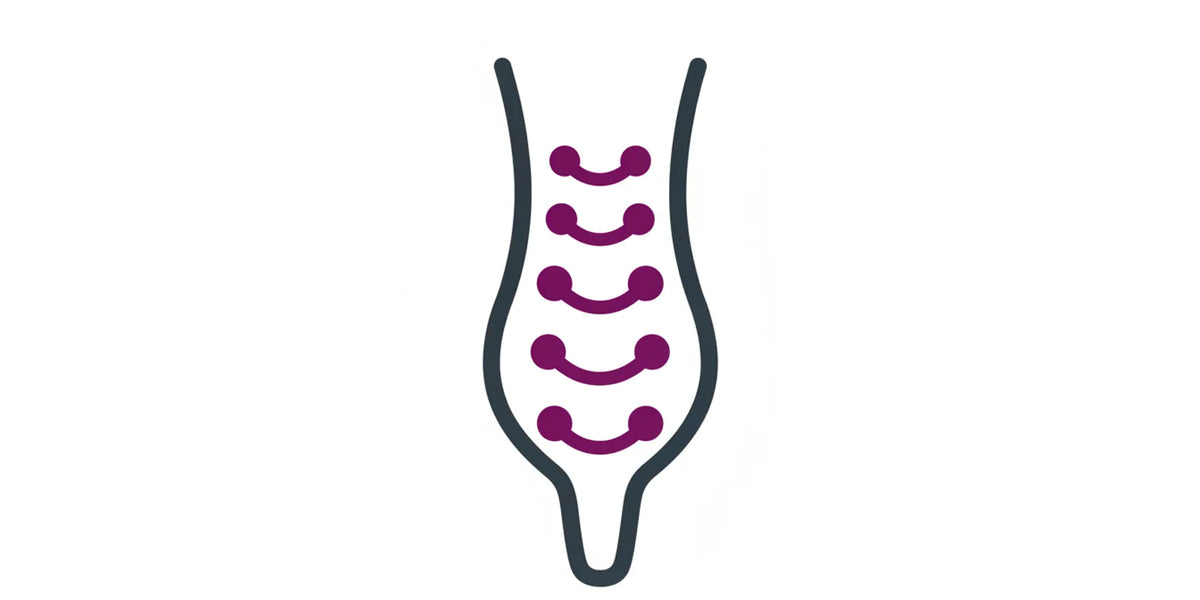
A Jacob's ladder piercing usually refers to a series of piercings along the underside of the penis, with jewelry creating a ladder-like appearance. The term can describe different placements and numbers of piercings, so understanding anatomy and the details of a specific plan comes before choosing jewelry. This guide explains what to clarify about placement, materials, dimensions, healing, and everyday practicalities.
Contact Z-Edge about your piercing questions
What does a Jacob's ladder piercing mean?
Unlike a single piercing name that points to one precise location, Jacob's ladder commonly describes multiple piercings placed in a line along the underside of the penis. The look comes from the sequence of jewelry, not from one standardized procedure. People may use the term for different arrangements, so a name or picture alone cannot establish exact placement.
That distinction matters when comparing information online. One person's version may involve a different number of piercings, spacing, or anatomy than another's. Jewelry that suits one arrangement may not suit another. A plan should be based on individual anatomy and intended placement rather than an assumption that every Jacob's ladder is identical.
For context on how piercing names and locations vary, see this overview of different piercing placements. It covers ears rather than genital piercings, but illustrates why a specific location and jewelry form are important parts of any piercing discussion.
The name does not answer every practical question a buyer may have. It does not tell you whether the planned jewelry is straight or curved, how many pieces are intended, what closure is used, or which dimensions may be suitable. Establish those details before comparing products or making an appointment. It also helps to distinguish the visual description from the technical plan: the word ladder describes a repeated appearance, not the tissue used or the angle and spacing of each piercing.
When you see a reference image, treat it as an example of one person's result, not as a template. The model's anatomy, jewelry, number of piercings, and healing history may not match yours. You can use a picture to explain a design preference, such as matching ends or even visual spacing, while keeping the physical plan open to individual differences.
How does anatomy affect the decision?
Anatomy is central because a piercing needs suitable tissue, placement, and room for jewelry. A term or online image cannot tell you whether a particular configuration is appropriate for a specific person. Before making plans, consider whether the proposed placement is clearly described and whether the jewelry dimensions and shape correspond to that location.
Placement should be considered as a group rather than as isolated holes. When several piercings are arranged in a line, distance between them affects visual balance and the way each piece sits. A plan that looks evenly spaced in a photograph may need adjustment for different tissue, scars, natural contours, or movement. A visually straight row is not always the same as a suitable arrangement for a particular body.
Think through everyday movement and contact as well as appearance. Multiple piercings may mean several pieces of jewelry to manage, and placement can affect how jewelry sits against clothing or during intimate activity. Do not assume a design shown on another person's body will behave the same way for you. A quiet moment in front of a mirror does not reproduce the pressure, friction, and movement of an ordinary day.
It is useful to separate the desired look from the physical plan. You may want matching ends, mixed metal colors, or a gradual pattern. Those choices can be considered after the placement and available tissue are understood. A design preference should guide jewelry selection, not replace a careful assessment of whether the arrangement is suitable.
Scarring and previous piercings also belong in the conversation. An old channel, visible scar, irritation history, or prior jewelry problem may affect how a new arrangement is considered. Do not treat an existing mark as a precise map of usable tissue. Record your history accurately so that the proposed plan starts with the right information.
Consider the spacing as part of the complete design. If the intended sequence has too little room between pieces, the row may look crowded or each end may interact with its neighbor. If the spacing is wider, the overall appearance may be less continuous than the reference image. Think about the appearance you hope to achieve, but do not try to solve spacing by choosing dimensions from a photo.
Be cautious if a description promises a fixed outcome without explaining precise placement, jewelry, and individual considerations. A careful decision begins with accurate information, a clear understanding of the proposed arrangement, and enough time to consider the implications instead of rushing toward a particular look.
Which jewelry details deserve attention?
Jewelry needs to match the piercing's location and dimensions. Relevant details include the type of jewelry, gauge, wearable length, end design, and how it sits once in place. A piece that is too short or too long can create an unsuitable fit; appearance alone does not establish that dimensions are right.
For a multi-piercing arrangement, consistency can matter, but identical jewelry is not automatically correct. Each piercing may have a different tissue depth or angle. One piece may need a different wearable length from another, even when visible ends are meant to look similar. A listing that offers one size should not be treated as a universal answer.
Closure is another detail worth understanding. Internally threaded and threadless jewelry secure decorative ends in different ways, and construction should suit the intended placement. Read the product description for actual closure, gauge, and length rather than relying on a category label or photograph. A product photograph may show the outer end clearly while hiding how the post is constructed.
Material is a key consideration. Z-Edge uses ASTM F136 implant-grade titanium and nickel-free 14K gold for its piercing jewelry. Steel is an inferior option and is not part of Z-Edge's stated material standard. Explore barbells and industrial barbells for examples of jewelry forms, and review individual product details carefully. A collection page is not a guarantee that every listed form suits every placement.
For a useful comparison, separate material and fit. A preferred material does not make a piece appropriate in every size or shape. Likewise, the right general jewelry form still needs dimensions suited to the specific piercing. Browse new arrivals for design ideas, while treating style inspiration as separate from the final sizing decision.
Decorative ends deserve their own review. A large end, a sharp profile, a dangling element, or a textured surface can change how jewelry interacts with clothing and movement. A simpler end may be easier to manage during an early healing period, while a more elaborate design may be considered later. The attractive choice is not automatically the most practical first choice.
Do not confuse a product category with a recommendation for a specific body site. Z-Edge's aftercare collection and jewelry collections help organize options, but each item still needs to be compared with the proposed location. Product pages should give you concrete details to record, not a reason to skip the fit question.
| Decision point | What to establish | Why it matters |
|---|---|---|
| Placement | Exact location and number of piercings | The name does not define one standardized arrangement. |
| Jewelry form | Shape, closure, and construction | Different arrangements can call for different forms. |
| Dimensions | Gauge and wearable length for each piece | Fit depends on placement and anatomy. |
| Material | ASTM F136 titanium or nickel-free 14K gold | Material quality is an important jewelry choice. |
| Visual design | Matching ends, mixed metals, or a pattern | The look should be built around a suitable setup. |
| Timing | Healing expectations and activity considerations | Planning helps avoid rushing. |
How should you compare jewelry for multiple placements?
Start by making one line in your notes for each planned piercing. Beside each line, record the intended location, jewelry form, material, gauge, wearable length, closure, and end. This inventory prevents a common mistake: treating a group of piercings as if one measurement or one product listing answers every question.
Next, separate fixed choices from choices that may vary. The visual concept might be fixed: for example, you may want a repeated row of small, rounded ends in one metal color. The exact lengths, angles, and even forms may vary from one position to the next. Keeping those categories separate makes it easier to preserve the overall appearance without forcing identical hardware where it does not fit.
Then compare complete specifications rather than headlines. A titanium barbell is only a starting point. A useful comparison includes the titanium standard, gauge, wearable length, threading method, end size, and whether the listed design is actually intended for the proposed placement. If a listing omits a dimension that could affect fit, mark that omission instead of filling in the blank from a photograph.
Finally, review how the pieces work together. A row can look orderly when ends match, but spacing and alignment matter more than perfect duplication. A slightly different length may be appropriate for a different tissue depth. A repeated pattern may also need enough room to avoid crowding. The goal is a coherent arrangement made from suitable individual choices.
- Write down the exact number of planned piercings.
- Describe each location in plain language rather than using the name alone.
- Record material, gauge, wearable length, closure, and end size for every piece.
- Mark which details are visual preferences and which are fit requirements.
- Compare expected contact with clothing, movement, and intimate activity.
- Keep product pages or specification notes available when discussing the plan with Z-Edge.
This process is also useful when browsing other placement categories, such as dermal jewelry, navel jewelry, or septum jewelry: category names organize products, but they do not replace placement-specific fit.
When a product page does not provide enough information, choose clarity over guesswork. A low price, striking photograph, or familiar shape cannot make missing specifications irrelevant. A clear inventory gives you a better basis for choosing Z-Edge's stated implant-grade titanium or nickel-free 14K gold options and deciding which design details should wait.
You can also make a comparison grid. Put each possible jewelry setup in a column, then use rows for material, gauge, length, closure, end style, and unanswered questions. This makes omissions visible. If one option lists the material but not the dimensions, and another includes dimensions but uses a different closure, you can see exactly what remains to establish rather than trying to compare two product names as if they tell the whole story.
Keep the appearance and the specifications connected but distinct. For instance, a line of similar decorative ends could be paired with different bar lengths if needed. Conversely, choosing an end because it looks coordinated does not prove the underlying jewelry has a suitable gauge or construction. A good shortlist makes room for visual preferences while treating dimensions and material as essential information.
What should you understand about healing and risk?
Multiple genital piercings are a significant body modification, not just a styling choice. The number and placement can affect the experience and healing considerations. Do not infer a healing schedule from another person's account or treat a general online estimate as a promise for your situation.
Consider how you would manage healing in daily life. Clothing, physical activity, and intimate contact may require planning. Follow the specific aftercare instructions provided for the piercing, and avoid changing jewelry or experimenting with cleaning routines based only on anecdotes.
Healing can be affected by repeated pressure, snagging, unnecessary handling, and changing jewelry too early. Before proceeding, think about whether your schedule allows you to keep the area protected and whether you can temporarily adjust activities that create friction or impact. A good plan includes the less visible parts of the process, not only the finished appearance.
Healing is also a sequence of decisions rather than one date on a calendar. Early on, the priority may be minimizing contact and following the care directions. Later, the priority may be noticing whether a piece is loose, catching, or no longer comfortable. Do not use a calendar milestone as permission to make an unplanned jewelry change if the site is still painful, irritated, or otherwise concerning.
Z-Edge's aftercare collection offers relevant products, but products do not replace appropriate instructions. Use an aftercare product only as directed and do not assume more cleaning is better. Consistent, gentle care and avoiding unnecessary contact are more useful than constantly changing routines.
There are reported injuries associated with genital piercings. A PubMed-indexed case report describes a urethral injury associated with a genital piercing; it is a single case report, not a measure of how often such injuries occur. Read the case report on PubMed. Its limited scope is a reminder to take placement and potential complications seriously, not a reason to assume every piercing leads to the same outcome.
Seek prompt medical attention for serious or worsening symptoms such as severe pain, heavy bleeding, spreading redness, fever, or difficulty urinating. General online guidance cannot diagnose a complication. If something feels significantly wrong, do not try to solve it by repeatedly removing, rotating, or replacing jewelry.
Before booking, make a practical healing plan. Identify clothing that will not catch, decide how you will limit unnecessary pressure, and consider whether travel, sports, work, or intimate plans create a difficult schedule. If the timing is poor, postponing the decision is more sensible than beginning a healing period you cannot reasonably support.
It can help to walk through a normal week in advance. Consider how long you sit, the clothing you wear, whether your work involves lifting or movement, and whether you have activities that create repeated friction. This is not about predicting every discomfort; it is about spotting avoidable conflicts and making a realistic plan before the procedure rather than improvising after it.
Plan for communication and observation without constant handling. You can pay attention to changes in comfort, appearance, or jewelry position while avoiding repeated touching to test whether the piercing feels different. If a symptom is severe or worsening, seek medical care. For ordinary care questions, follow the specific aftercare directions you were given rather than combining several routines found online.
How can you compare a proposed plan?
Before settling on a Jacob's ladder piercing, write down the questions that define the plan. Ask what the term means in this proposal, how many piercings are involved, where each would sit, and what jewelry form and dimensions are being considered. Clear answers are more useful than a label or dramatic reference image.
- Is the exact placement described in plain language?
- Does the plan account for individual anatomy rather than copying a photograph?
- What material, form, gauge, and wearable length are proposed for each location?
- Will every piece be the same size, or might the arrangement require different dimensions?
- What healing expectations and daily adjustments should you plan for?
- Which changes or activities should be avoided during healing?
- How will the final look be created without sacrificing suitable fit?
Also compare the quality of the information, not simply the appearance of the jewelry. A useful explanation should distinguish between what is known about the proposed placement and what varies by person. It should explain why a particular material and dimension are being considered rather than presenting a product photo as proof of suitability.
When reviewing a product listing, record material, gauge, wearable length, closure, and decorative-end dimensions. If fields are missing, you do not have enough information to compare the piece fairly with another option. A collection page helps you browse; the product details are what let you examine a particular design.
Use a two-column comparison if you are weighing different arrangements. In the first column, describe the desired appearance: number of visible ends, spacing, metal color, and decoration. In the second, list the practical requirements: placement, dimensions, closure, daily contact, and healing demands. If the visual column is complete but the practical column is vague, the plan is not ready for a final jewelry decision.
It is also helpful to identify what would change your mind. You might decide against a particular number of piercings if spacing would be crowded, select a simpler end if daily contact is a concern, or delay the appointment during a period of travel. Defining those boundaries in advance keeps the decision deliberate instead of letting an exciting design eliminate important questions.
One practical way to compare two proposals is to summarize each in one sentence. Include the number of piercings, intended placement, jewelry form, material, and sizing information. If you cannot write that sentence because key facts are missing, return to those gaps before evaluating which proposal looks better. This short exercise turns a vague conversation into a clear set of decisions you can review later.
If you still lack a clear understanding of the plan, pause rather than treating uncertainty as a minor detail. A slower decision gives you time to compare actual specifications and decide whether the arrangement fits your priorities.
How do you decide whether it suits you?
Start with your reason for considering it. If the appeal is the ladder-like look, consider whether the intended arrangement and jewelry will deliver that appearance in a way that fits your anatomy and lifestyle. If the motivation is curiosity or a trend, give yourself time to evaluate the body modification and practical commitments involved.
Separate the decision into three parts: placement, healing commitment, and jewelry plan. You can like the appearance while deciding that the timing is not right. You can also want the piercing while choosing a simpler initial arrangement or different visual treatment. Breaking the choice into parts prevents one appealing photograph from deciding everything at once.
Consider privacy, clothing, exercise, travel, and intimate contact. A plan manageable during a quiet month may be harder during a physically demanding period or a trip. Thinking through those circumstances does not make the decision less personal; it helps you choose with realistic expectations.
Think about the long-term design as well as the initial jewelry. A row of matching pieces may be the starting point, while later changes could involve different ends or materials. That possibility is a reason to choose a sound foundation, not a reason to buy every decorative option immediately. Keep early choices manageable and leave room to refine the look after the arrangement has settled.
There is no universal checklist that determines suitability for everyone. A thoughtful choice involves knowing the exact plan, understanding jewelry and healing considerations, and being comfortable with the trade-offs. If any part remains unclear, gather more specific information before proceeding.
Use Z-Edge jewelry collections to compare how ASTM F136 implant-grade titanium and nickel-free 14K gold options are presented, not to assume that a piece listed for another placement is automatically suitable for a Jacob's ladder configuration. The goal is a clear match between location, dimensions, and the wearer's needs. To continue through the Z-Edge contact page, include the questions you still have and the jewelry details you are comparing.
For readers who want to look at additional forms before making a shortlist, Z-Edge new arrivals can provide design inspiration, while the barbell collection offers a more focused starting point for comparing styles. Treat both as catalogs of possibilities. The final choice still depends on the specific arrangement, dimensions, and material requirements.
When you are ready to take the next step, bring your questions and product notes together. Explain the look you want, list what you already know about the proposed arrangement, and identify what remains uncertain. This makes the discussion more focused than beginning with a product photo alone. It also gives you a chance to distinguish questions about general jewelry style from questions about individual fit.
Contact Z-Edge to discuss your jewelry questions
Frequently Asked Questions
Is a Jacob's ladder piercing one piercing or several?
The term generally refers to a series of piercings along the underside of the penis. The number and exact arrangement can vary, so confirm what a specific plan includes.
Does every Jacob's ladder use the same jewelry?
No. Jewelry form and dimensions depend on placement and anatomy. Material, gauge, and wearable length should be considered together rather than choosing by appearance alone.
Can I use a product photo to choose jewelry?
A photo can help you recognize a style, but it cannot establish whether the item has suitable dimensions or is appropriate for your specific placement. Review product details and the precise plan before choosing.
Is there a standard healing timeline?
There is no single timeline that applies to everyone or every arrangement. Healing depends on the individual and placement; follow the instructions provided for your situation and avoid relying on anecdotes as guarantees.
What material does Z-Edge use for piercing jewelry?
Z-Edge states that it uses ASTM F136 implant-grade titanium and nickel-free 14K gold for its piercing jewelry. Steel is an inferior option and is not part of that stated material standard.
Understanding exact placement, jewelry, healing considerations, and practical demands can help you make a more informed decision about whether a Jacob's ladder piercing is right for you.